Christoffel National Park Curaçao: Hiking & Wildlife Guide
Hike Mount Christoffel, Curaçao's highest point, in Christoffel National Park. Trail difficulty, wildlife to spot, what to pack, and nearby northwest sights.
Curaçao's Wildest Corner
The northwest tip of Curaçao does not look like the rest of the island: dry hills, cactus forest, and a lone volcanic peak rising out of the scrub like something out of the American Southwest. That peak is Mount Christoffel (372 meters, the highest point on Curaçao and across the whole ABC chain), and the land around it is Christoffel National Park, the biggest park on the island at roughly 1,860 hectares, just over half of it formally protected reserve.
The headline draw is the summit: a hike short enough for one morning, hard enough to earn the view. But the park is more than one trail. There is a network of shorter walking paths, a one-way scenic driving route through the northern section, and the best odds anywhere on the island of seeing native wildlife somewhere that has nothing to do with a resort pool.
The Summit Hike: Short, Steep, Worth It
The trail starts near the park office and climbs through dry forest until the vegetation thins and the rock takes over. It is not long by distance, but it is tough. The lower and middle sections are a firm, rocky uphill walk on a clear, well marked path: follow the yellow paint and arrows on the rocks. The final stretch is a different animal.
Close to the summit the trail narrows into a real rock scramble. You will use your hands as well as your feet, picking your way over bare volcanic rock with some exposure on either side. Near the top there are usually two lines: a narrow, steep one straight up and a wider, gentler one that takes longer. Go up whichever appeals and come down the easy one. Loose rock is a bigger hazard on the descent than the ascent.
Budget one and a half to two and a half hours round trip, plus time at the top to catch your breath. On a clear morning you can see essentially the entire island coast to coast, and on the clearest days the outline of Bonaire on the horizon. It is the best view on Curaçao, and you earn every meter of it.
The park opens early and cuts off new entries to the summit trail later in the morning, on purpose: nobody should be on that exposed rock in peak heat. Check current hours and plan to be at the trailhead close to opening. There is essentially no shade on the upper mountain, the rock holds heat, and a climb that feels fine at sunrise is miserable three hours later.
Shorter Trails and the Driving Route
If the scramble is not for you, or you do not have the morning to spare, the park still works. It maintains around eight marked trails, most of them flat or gently rolling walks through dry forest and kunuku (traditional countryside) rather than climbs. The longest, a circular route usually called the red trail, runs out to a rugged bay on the coast called Boka Grandi, roughly an hour out and thirty minutes back at an easy pace.
Prefer to stay in the car? The northern section is set up as a one-way driving loop on sealed roads, past viewpoints and old plantation ruins. Good for a hot afternoon after the hike is done, or for a visit built entirely around watching wildlife from air conditioning.
Wildlife You Might See
This is the best place on the island to see Curaçao's wildlife in something close to a natural setting. The star is the Curaçao white-tailed deer, a native subspecies found only here and a few other pockets of the island. Deer are shy and move at dawn and dusk, so the early start doubles as your best chance of a sighting. Do not expect a safari. Expect the possibility of a quiet, wild moment if the timing lines up.
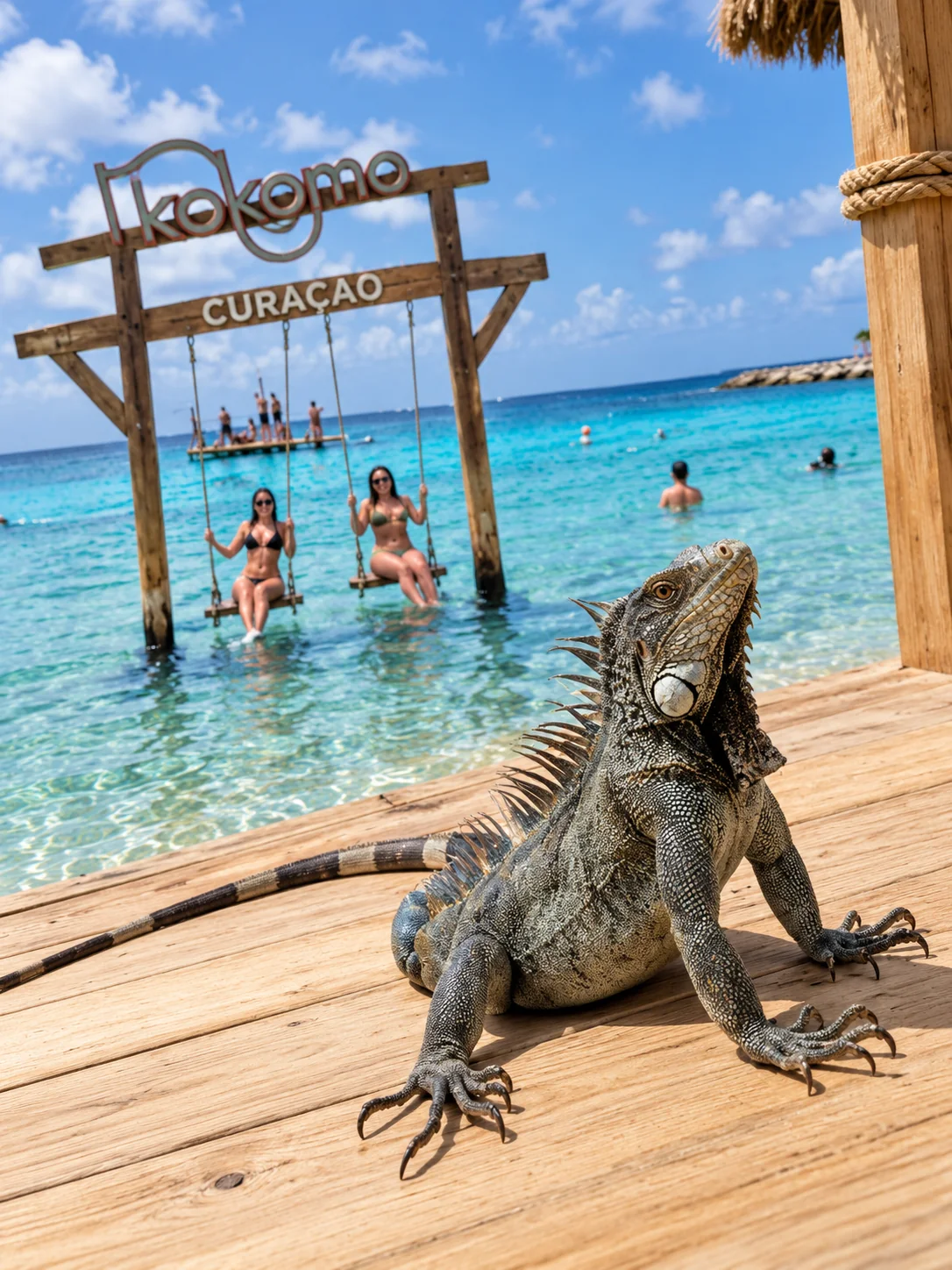
Iguanas sun themselves along the trail edges and the driving route and dart off as you approach. Bring binoculars and the birdlife opens up: the endemic Curaçao barn owl subspecies, the yellow oriole, blue tailed emerald and ruby topaz hummingbirds, and the occasional white-tailed hawk circling the ridgelines. None of it is promised (wildlife does not keep a tour schedule), but the species density here beats anywhere else on the island.
The landscape holds up even when the animals do not show: towering candle cacti, low Turk's cap cacti, and watapana (divi-divi) trees bent permanently sideways by the trade winds. It looks more like a desert film set than a Caribbean postcard. That contrast is the point.
What to Bring
- Sturdy, closed toe shoes: Hiking boots or trail runners with real grip. The upper rock is sharp and loose in places, and sandals or flip flops on the scramble are a bad idea, full stop.
- Plenty of water: Two liters per person minimum for the summit hike, more if the day is unusually hot. There is nowhere to refill on the trail.
- Sun protection: Sunscreen, a hat, and a light long sleeve shirt if you burn easily. Once you clear the lower forest there is almost no shade, and the exposed rock near the top reflects heat back at you.
- An early alarm: Worth repeating. Start as early as the park allows.
- A charged camera or phone: The summit view is the payoff. Do not arrive at the top on 2% battery.
Difficulty and Who It Suits
Underestimating this hike is how people get hurt or simply have a bad time. The summit trail is short, but the top is a real scramble: loose footing, some exposure, no shade. It is not for young children, anyone with significant knee or ankle problems, or hikers uneasy on steep, uneven rock. Reasonably fit teenagers and adults who start early and pace themselves manage it without technical gear. It is still not a casual stroll.
If that rules you out, you are not locked out of the park. The shorter forest trails and the driving loop are open to almost everyone, give you a real chance at spotting deer and birds, and deliver the same landscape without the climb. Families with younger kids, anyone recovering from an injury, or visitors who prefer a gentler pace are better served there anyway.
Pairing It With the Rest of the Northwest
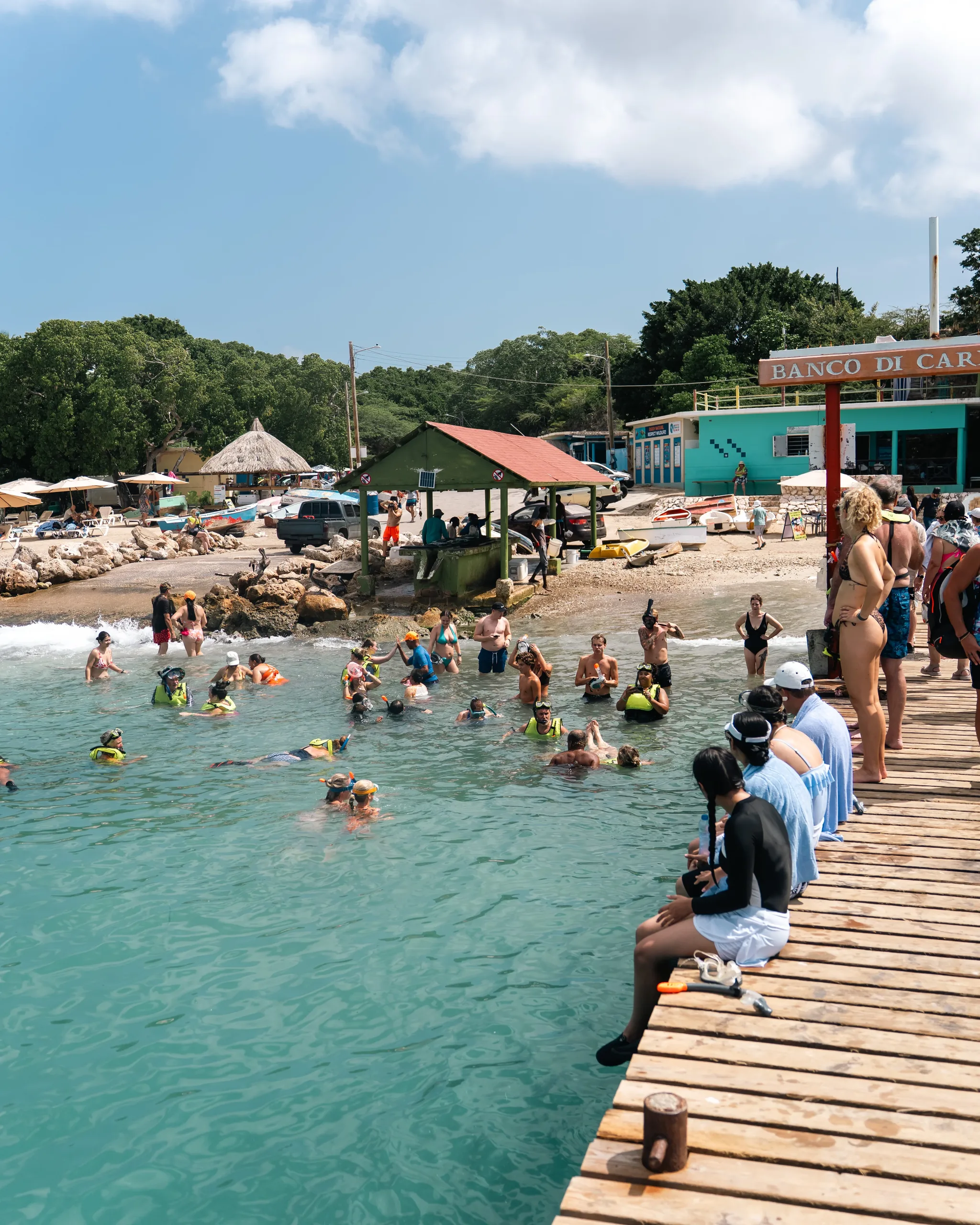
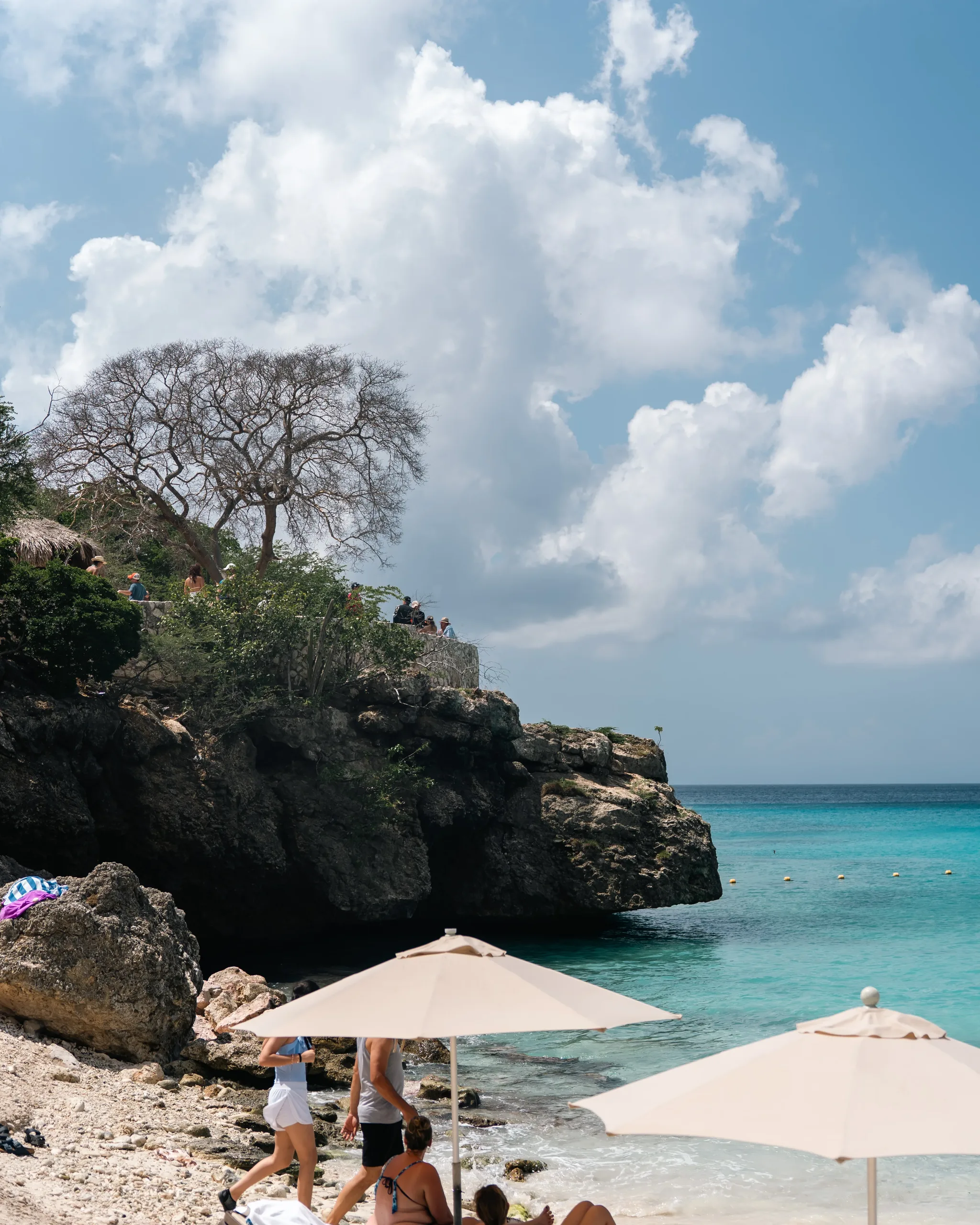
Christoffel sits in the same corner of the island as several other standouts, so build a full day rather than a single stop. Shete Boka National Park, where Atlantic swells crash into limestone inlets, is a short drive away and pairs naturally with an early hike: both reward beating the heat. Grote Knip and the calmer water near Playa Kalki further north are the swim you earned coming off the mountain. See our Grote Knip beach guide for the details.
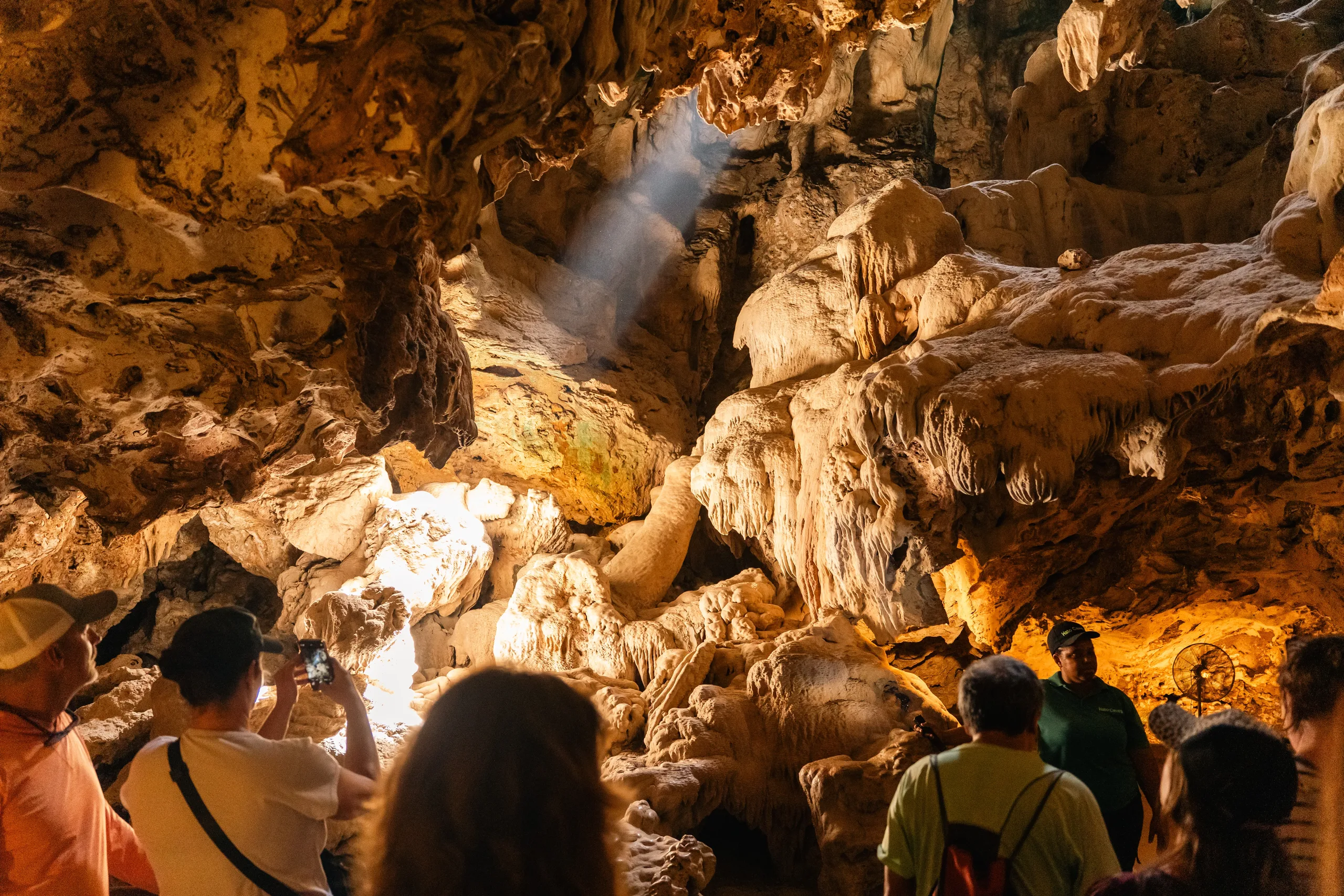
A day that works: summit at first light, swim at Grote Knip or Playa Kalki by mid morning, then either Shete Boka's coastal trails or somewhere shaded. If you would rather trade the midday heat for air conditioning, the Hato Caves are a longer drive back toward the center of the island but make a good cool down stop later. For the full spread of what else is worth doing, start with our things to do in Curaçao guide, and if you would rather not drive any of this yourself, our Green Escape full-day nature tour covers this side of the island: north coast and wildlife stops in one guided day, transportation included.
Frequently asked questions
- How hard is the Mount Christoffel hike?
- It is short but steep. The lower trail is a steady rocky uphill walk, but the final stretch to the summit becomes a real rock scramble with loose footing and some exposure. It is not suitable for young children or hikers uneasy on steep, uneven rock, but reasonably fit adults and teens who start early usually manage it without technical gear.
- How long does the Mount Christoffel hike take?
- Most hikers budget one and a half to two and a half hours round trip, including time at the summit to enjoy the view. Pace varies a lot depending on how comfortable you are with the rock scramble near the top.
- What should I bring to Christoffel National Park?
- Sturdy closed-toe hiking shoes (not sandals), at least two liters of water per person, sunscreen, a hat, and a light long sleeve shirt. There is almost no shade on the upper mountain, so sun protection matters as much as footwear.
- What time should I start the Mount Christoffel hike?
- As early as possible. The park opens early and limits new entries to the summit trail later in the morning to keep hikers off the exposed rock during peak heat, so check current hours before you go and aim to be on the trail within the first hour of opening.
- Will I see the Curaçao white-tailed deer?
- There is a good chance, but it is never guaranteed. The Curaçao white-tailed deer is a native subspecies found in the park, and it is shyest and most active around dawn and dusk. An early start improves your odds but wildlife does not follow a schedule.
- Can kids hike Mount Christoffel?
- The summit scramble is not ideal for young children because of loose rock and exposure near the top. Families with younger kids are better served by the park's shorter, gentler forest trails or the driving loop, which still offer a chance to see wildlife and the cactus landscape.
- Is there anything to do in Christoffel Park besides the summit hike?
- Yes. The park has around eight marked hiking trails of varying difficulty, including a longer forest walk out to the coastal bay of Boka Grandi, plus a scenic one-way driving route through the northern section that is accessible without any hiking at all.
- What else is nearby Christoffel National Park?
- The park sits in Curaçao's northwest corner near Shete Boka National Park, Grote Knip beach, and Playa Kalki, making it easy to combine an early summit hike with a coastal walk and a swim in the same day.