25 Best Things to Do in Curaçao
A local's guide to the 25 best things to do in Curaçao: top beaches, snorkeling and diving, historic Willemstad, Hato Caves, flamingos, and island food.
How to Use This List
Curaçao is 171 square miles, and the good stuff is scattered: the famous beaches sit 45 minutes west of town, the caves are by the airport, and the flamingos stand in a salt flat halfway between the two. So this list is grouped by area and by type (beaches, water, city, nature, food), and every item says where it is and when it makes sense to go. Prices and opening hours change with the season, so check those before you drive out.
One practical note up front. Public buses do not reach most of the west-end beaches or the parks. You either rent a car or let someone drive you. We run day tours ourselves, so we are not neutral on this, but we have also put the rental-car option in every section where it is the better call.
| Category | Standout experiences |
|---|---|
| Beaches | Grote Knip, Cas Abao, Playa Piskadó turtles, Kokomo, Porto Mari, Klein Curaçao |
| In the water | Tugboat wreck, Mushroom Forest, house-reef shore diving, mangrove kayaking |
| Culture & history | Queen Emma bridge, Handelskade, Punda & Otrobanda, Fort Amsterdam, Kura Hulanda |
| Nature & wildlife | Hato Caves, Christoffel Park, Shete Boka, flamingo salt flats, ostrich farm |
| Food & drink | Blue Curaçao distillery, keshi yena, pastechi, west-coast sunsets |
Beaches: Curaçao's Signature Coves
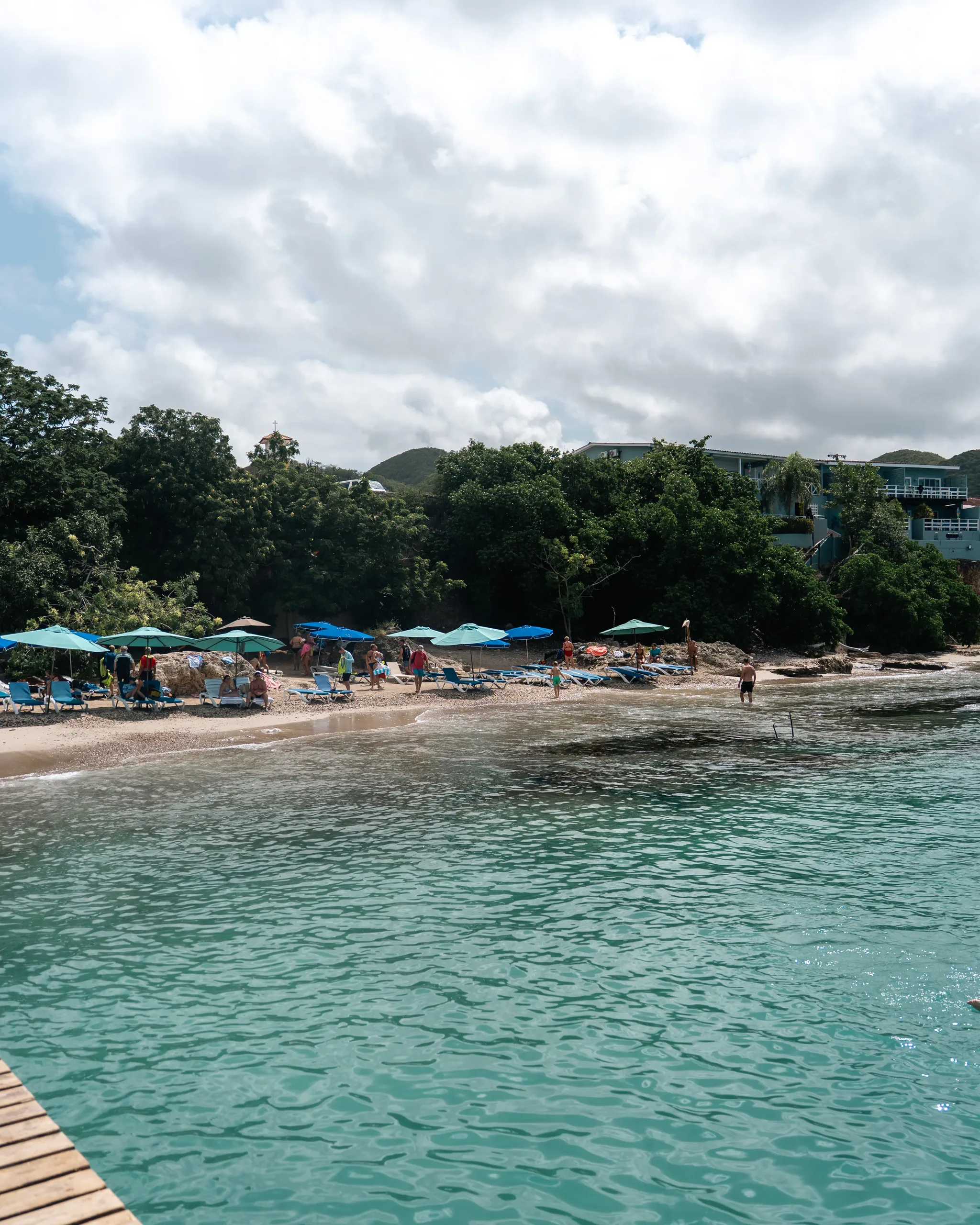
The southwest coast is a string of sheltered bays with calm water and sand that runs from powder to coral pebble. These six are worth planning a day around. The rest are fine, but if your time is short, start here.
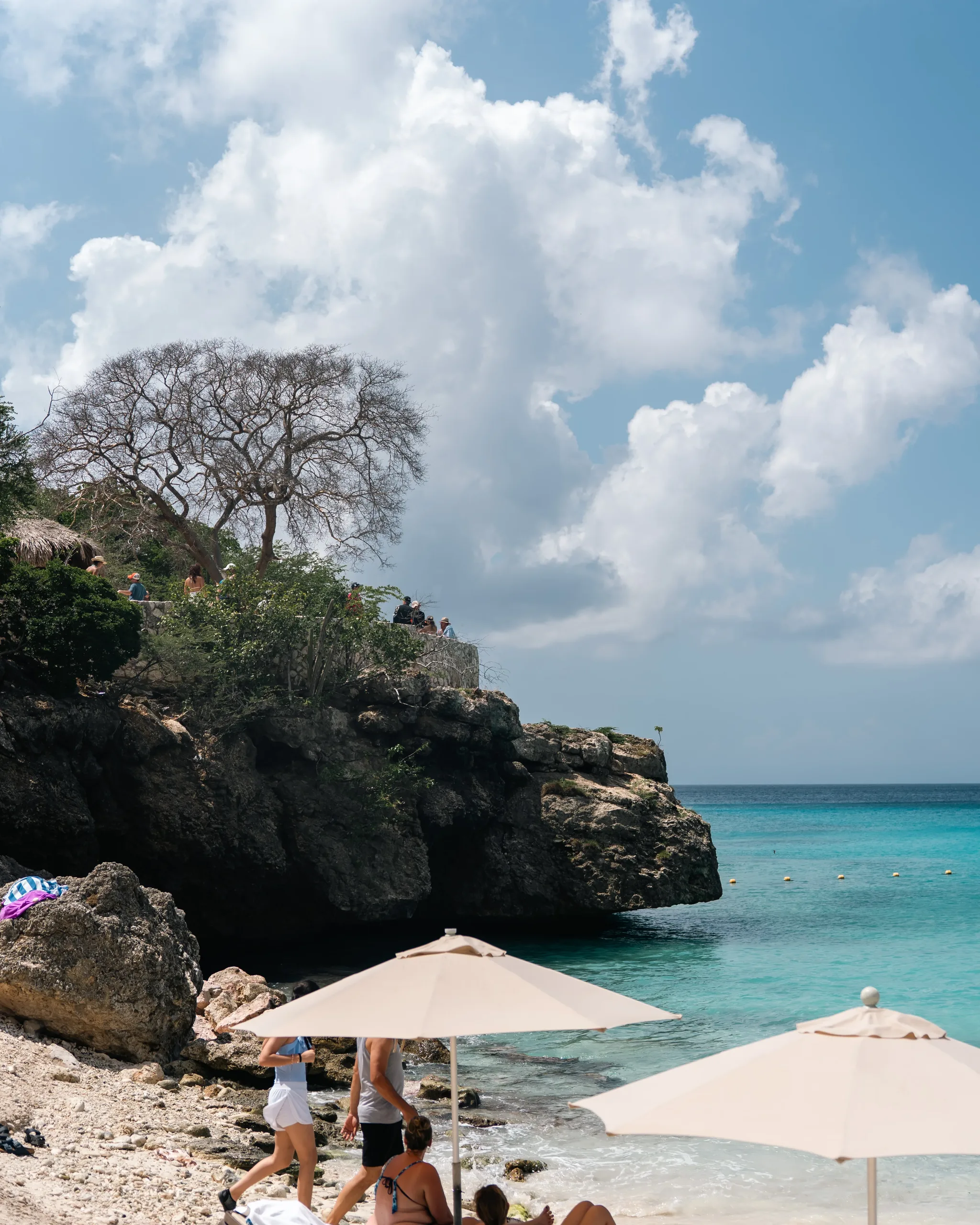
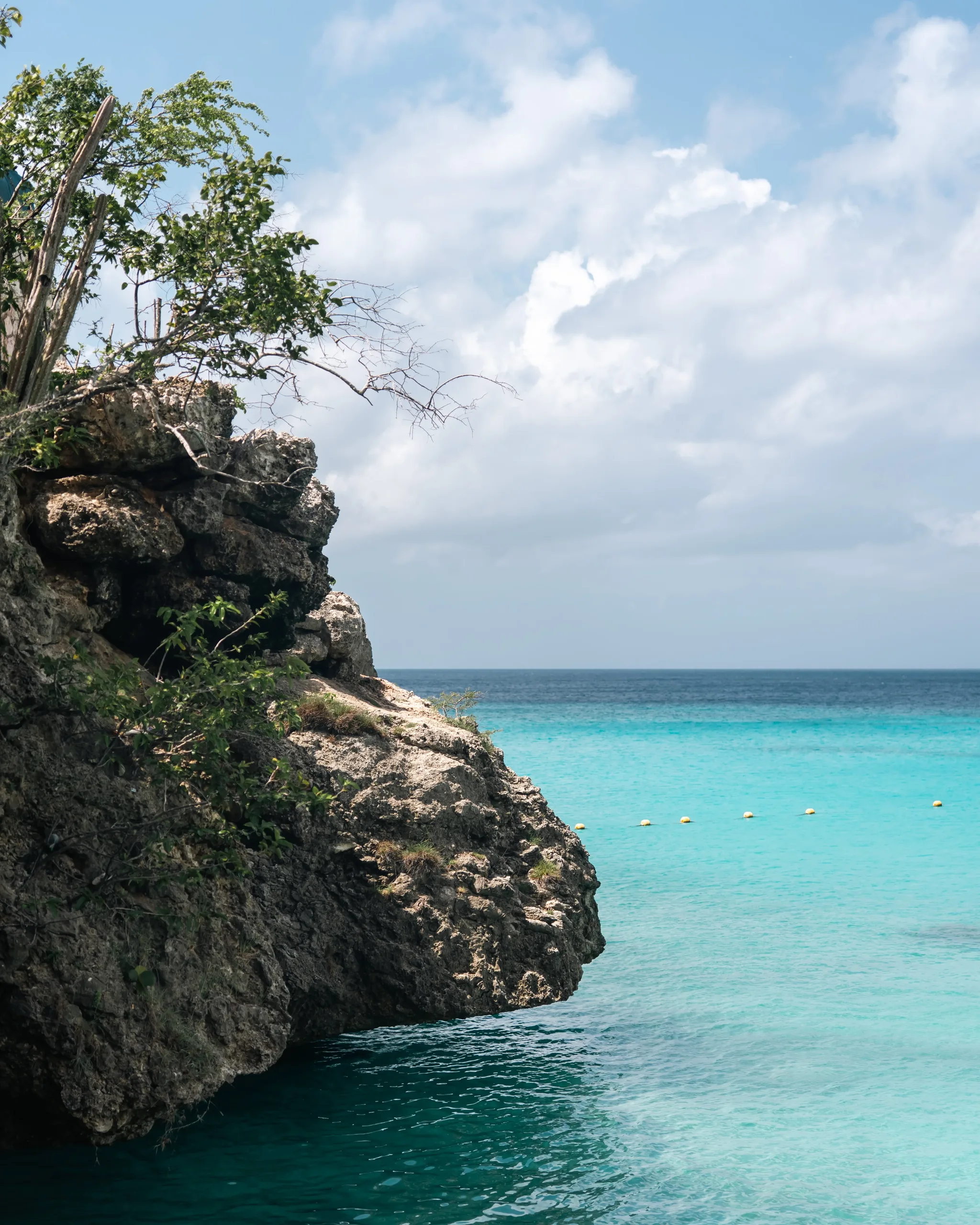
- 1. Grote Knip (Playa Kenepa Grandi): The postcard beach, and for once the postcard is accurate. A wide crescent of pale sand under low cliffs, water that goes jade to deep blue within a few meters of shore. There is a cliff jump on the left for the confident. Shade runs out by mid-morning. Go early. Full details in our Grote Knip beach guide.
- 2. Cas Abao: Loungers, a beach bar, showers, and a healthy reef a short swim out. The obvious pick for a family day where nobody wants to rough it, and the water is as blue as anywhere on the island.
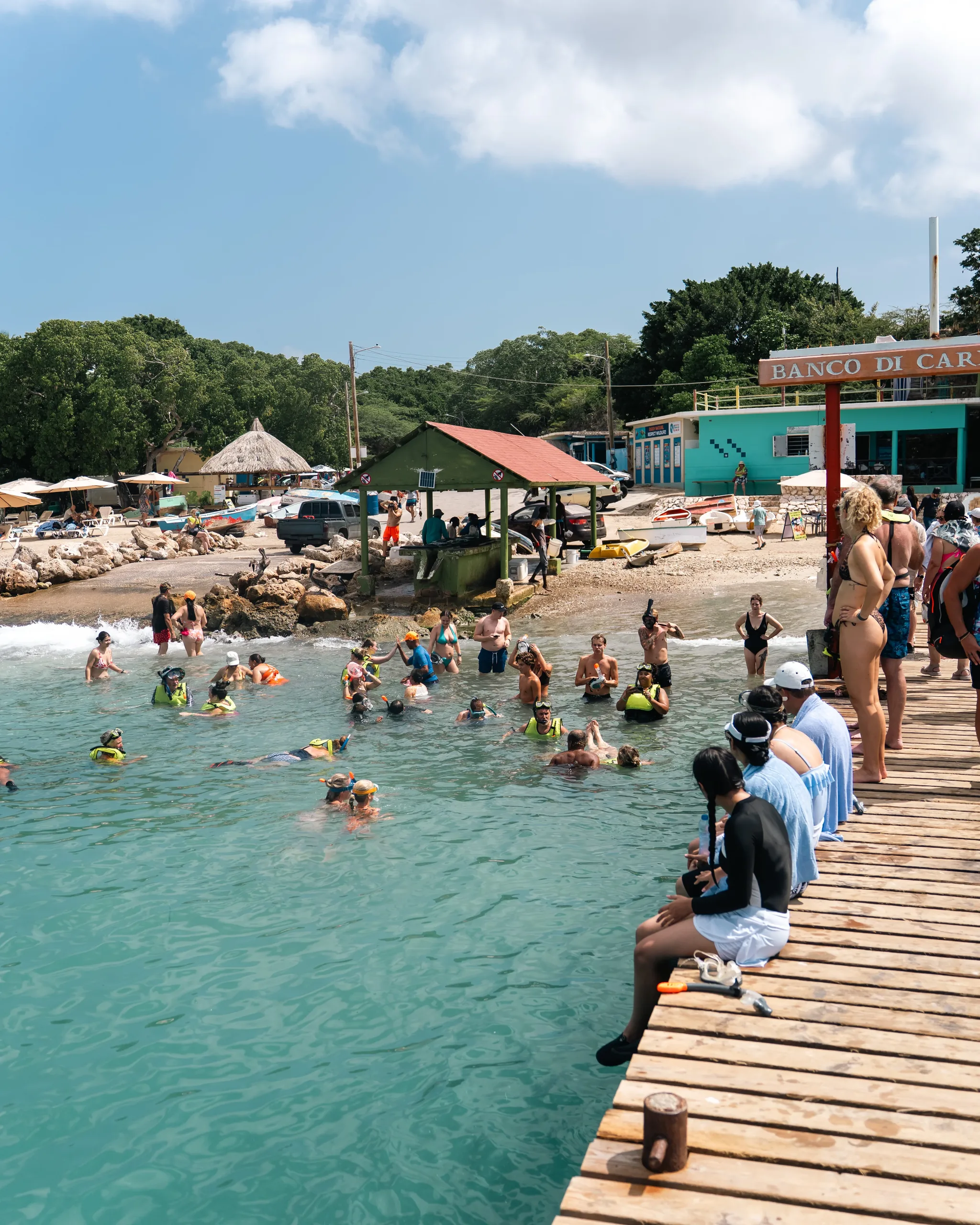
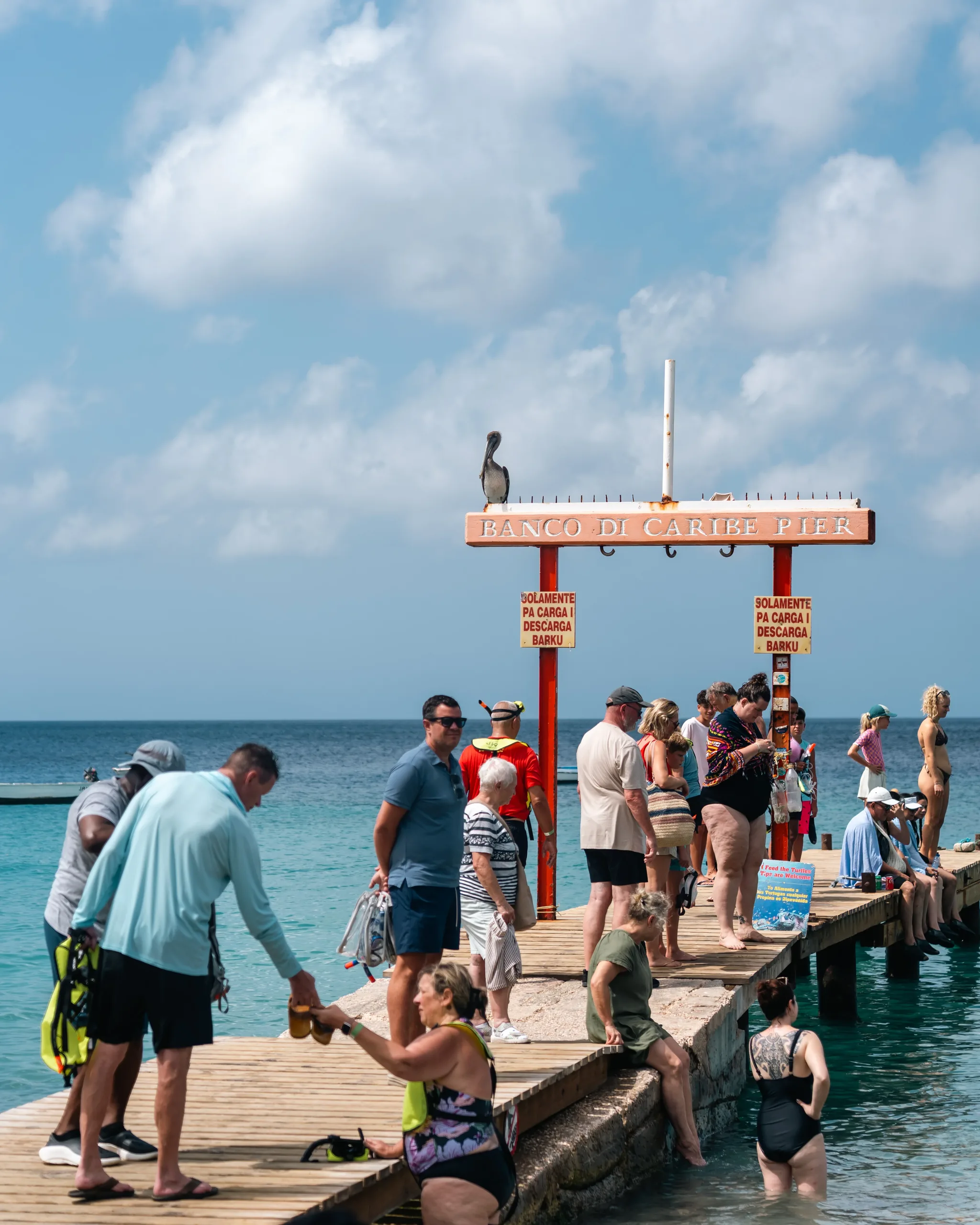
- 3. Playa Piskadó (Playa Grandi): A working fishing cove where green sea turtles come in for the scraps when the boats clean their catch. Most days you will see several within ten meters of the beach. Not guaranteed: they are wild animals, not an aquarium. Keep your distance and never touch them; our guide on swimming with turtles responsibly covers the rules.
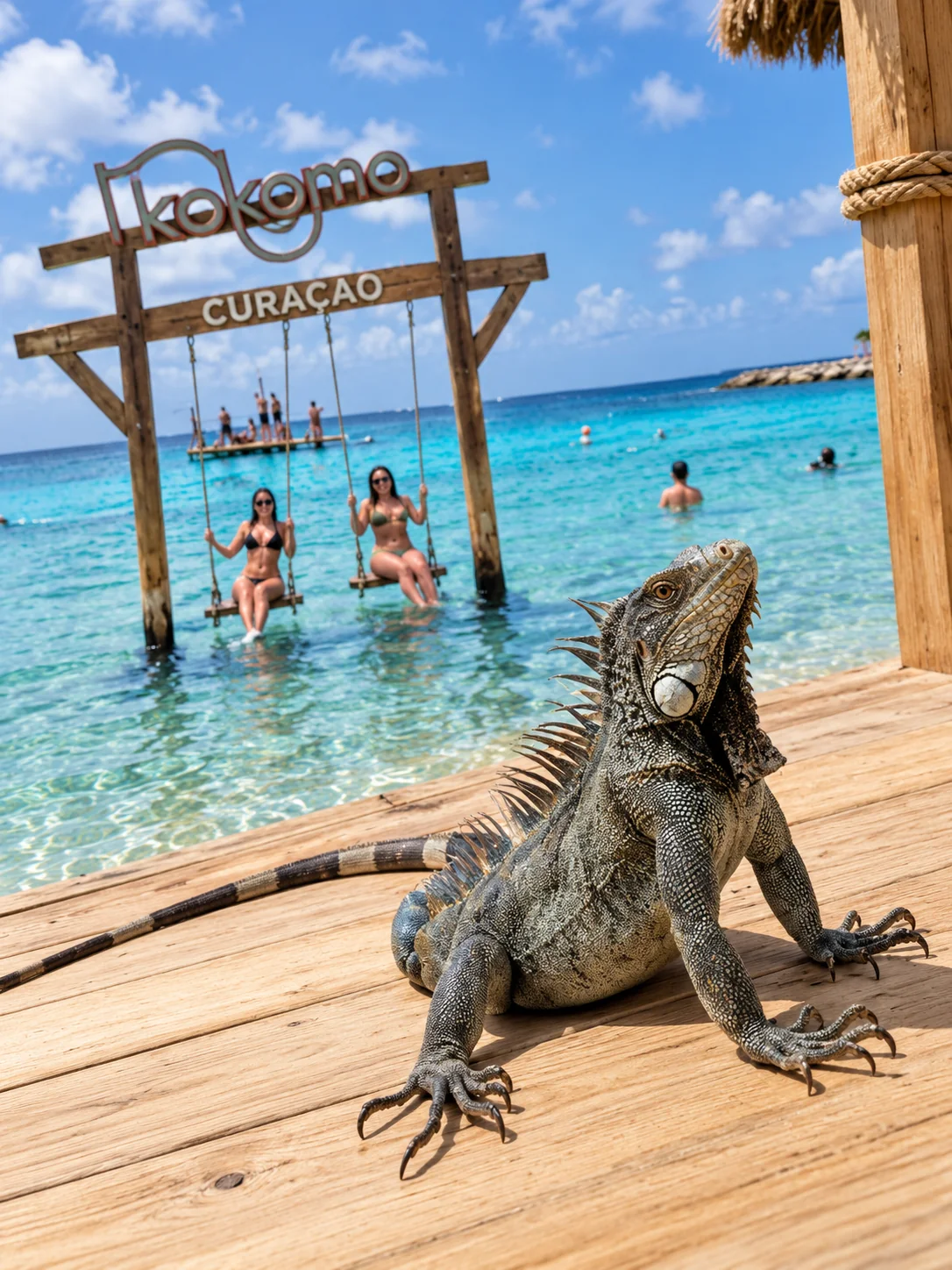
- 4. Kokomo Beach: A beach bar on Vaersenbaai with a wooden pier, close enough to Willemstad for a half-day. Best in the late afternoon, when the pier points straight at the sunset.
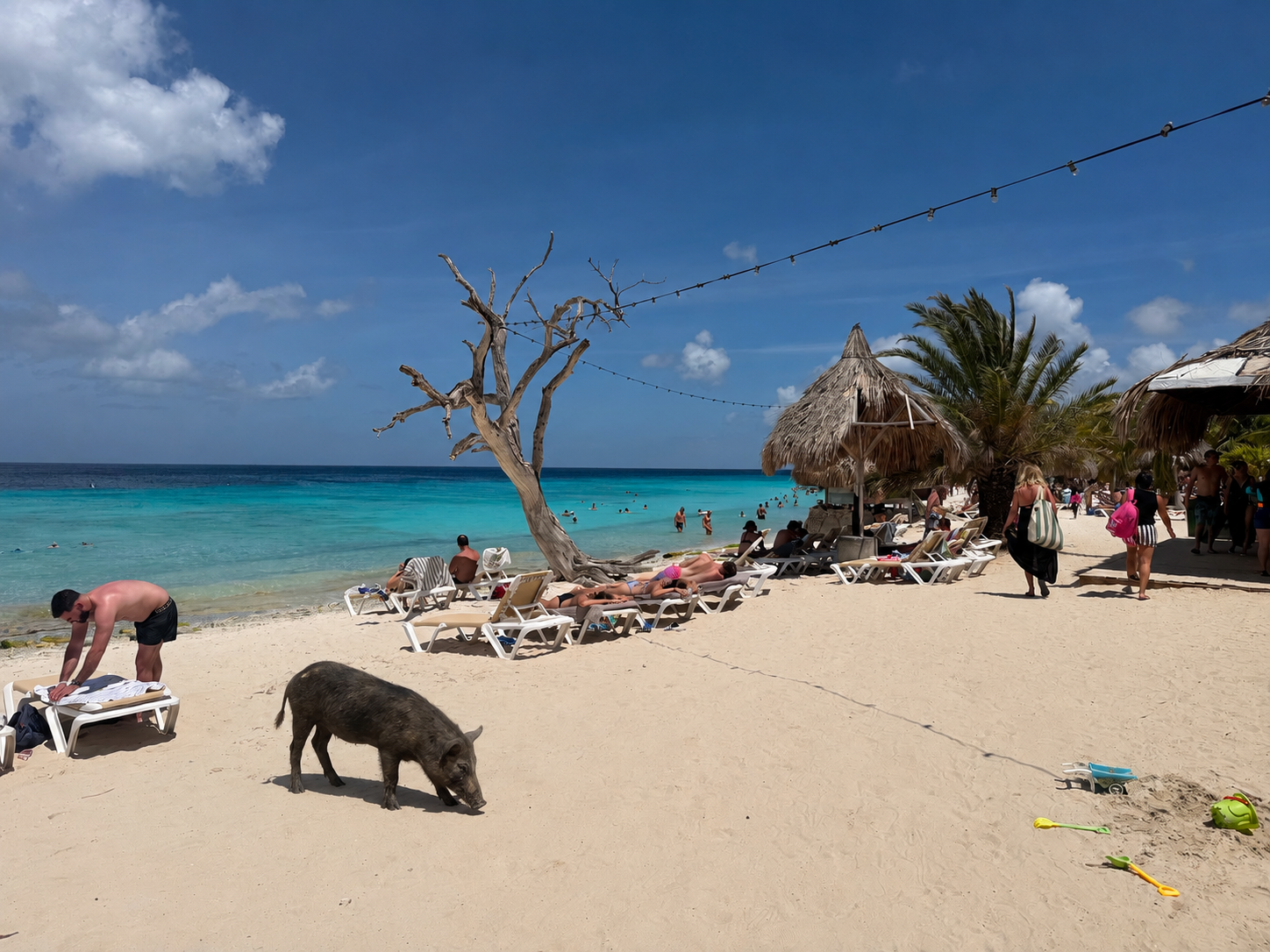
- 5. Playa Porto Mari: A double coral reef starts right off the sand, which makes it the easiest serious snorkeling on the island. Two resident pigs wander the beach; they have seen enough tourists to be completely unimpressed by you.
- 6. Klein Curaçao: An uninhabited island two hours out by boat: white sand, a rusting lighthouse, a couple of wrecks. It is a full-day boat trip and a completely different day from the mainland beaches: budget for the crossing, which can be rough going out.
In and Under the Water
The reef starts a few steps off the sand on much of the leeward coast, which is why divers rate Curaçao as one of the best shore-diving islands anywhere. For the Tugboat snorkel and the mangrove kayak you need no boat, no license, and not much of a plan; the dive entries ask for certification, and Mushroom Forest adds a boat on top.
- 7. The Tugboat (Tugboot): A small tug sitting in five meters of clear, sheltered water at Caracas Bay, covered in coral. Snorkelers can see the whole wreck from the surface. As wreck dives go it is tiny; as a first wreck snorkel it is hard to beat.
- 8. Mushroom Forest: Mounds of star coral shaped like mushrooms, off the rugged northwest coast. Boat access only, usually paired with a swim-through cave nearby. This one is for divers with some experience.
- 9. House-reef shore diving: Playa Lagun, Directors Bay, Cas Abao. Walk in off the sand, drop onto a coral wall. Dive shops with rental gear are easy to find, and many beaches have one on site.
- 10. Kayaking the mangroves: The channels of Spanish Water and the Rif mangroves are flat calm and full of juvenile fish. Go early, before the wind picks up and the paddle back turns into a workout.
Historic Willemstad and Island Culture
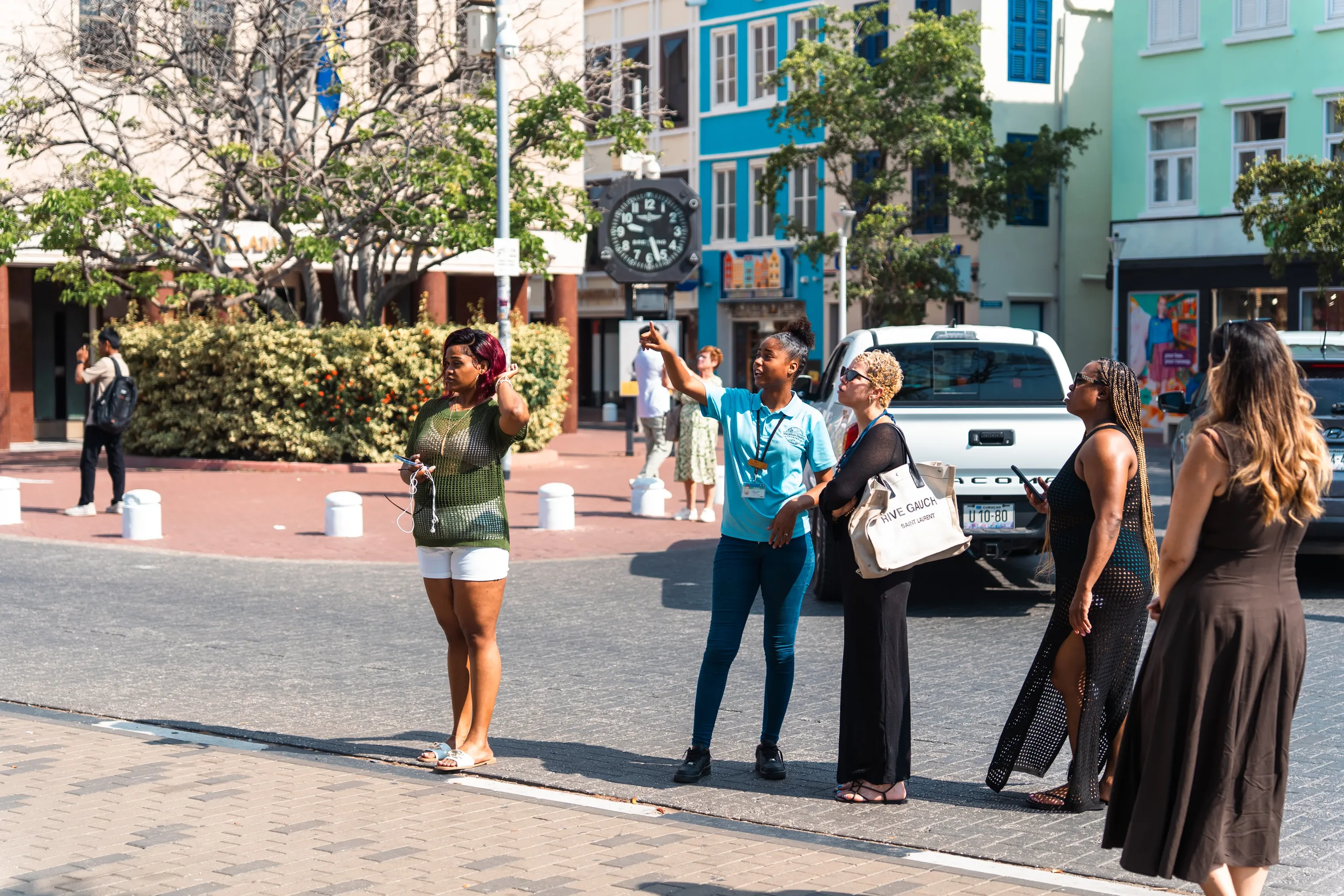
Willemstad's old town is a UNESCO World Heritage Site, and it earns the listing: two historic districts facing each other across a harbor channel, connected by a floating bridge. Give it at least half a day on foot. Our Willemstad walking guide maps a route that hits everything below without backtracking.
- 11. Queen Emma Pontoon Bridge: A pedestrian bridge that floats on pontoons and swings open sideways to let ships through. Locals call it the Swinging Old Lady. If you are on it when the horn sounds, you can stay aboard for the ride.
- 12. Handelskade: The row of candy-colored merchant houses on the Punda waterfront, the most photographed hundred meters on the island. The colors are strongest in late-afternoon light.
- 13. Punda: The old commercial center: narrow shopping streets, the floating market where Venezuelan boats sell produce off the deck, and the Mikvé Israel-Emanuel synagogue, in continuous use since 1732 with sand still on its floor.
- 14. Otrobanda: "The other side": a maze of alleys, murals, and lived-in streets. Less polished than Punda and better for it. Go slowly and let yourself get slightly lost.
- 15. Fort Amsterdam: An 18th-century fort that still houses the government. Find the cannonball lodged in the church wall: it has been there since 1804.
- 16. Kura Hulanda Museum: A serious museum in Otrobanda on African heritage and the transatlantic slave trade, built on a site where enslaved people were once traded. It is heavy, and it is the context the pretty waterfront does not give you. Do not skip it.

Nature and Wildlife
Away from the coast the island turns to cactus scrub, limestone hills, and a north shore that takes the full force of the Atlantic. This is the side of Curaçao most visitors never see, and it fits in one well-planned day.
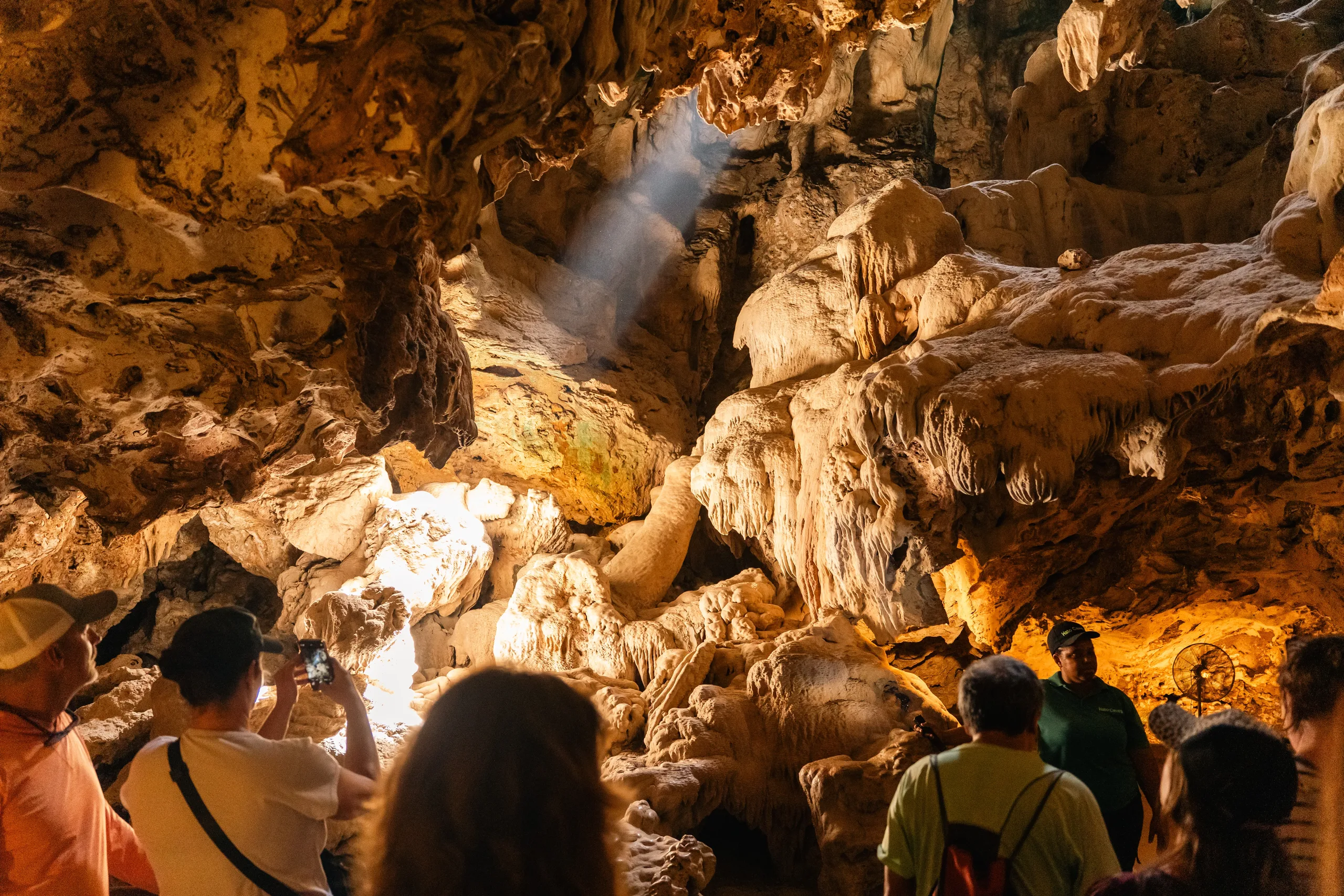
- 17. Hato Caves: Limestone chambers under the airport plateau: stalactites, flowstone, a bat colony, and Arawak petroglyphs near the entrance. Tours are guided, shaded, and cool. Useful on a windless afternoon. It is an easy stop on the half-day Hato Caves tour, and our Hato Caves guide tells you what to expect inside.
- 18. Christoffel National Park: The island's biggest park. The climb up Mount Christoffel is short, steep, and hot (start before 10am, the park enforces it), and the summit view covers the whole island. Driving trails cover the rest. See the Christoffel Park guide.
- 19. Shete Boka National Park: The north coast at its most violent: Atlantic swells slamming into limestone inlets. At Boka Tabla you stand inside a cave while waves detonate underneath you. Bring shoes, not flip-flops: the rock is sharp.
- 20. Flamingo spotting: The salt flats at Jan Kok and Sint Willibrordus hold feeding flamingos most mornings and evenings. Park on the shoulder, stay by the road, and use a zoom lens. They spook easily, and a spooked flamingo wastes energy it needs.
- 21. The Ostrich Farm: A working ostrich farm with safari-truck tours. It sounds like a tourist trap and is actually good fun, especially with kids who get to stand on eggs and feed the birds.
Food, Drink, and Sunsets
Local food here is Dutch-Caribbean with West African and Latin roots, and the best of it is served at roadside snacks and lunch counters, not hotel restaurants.
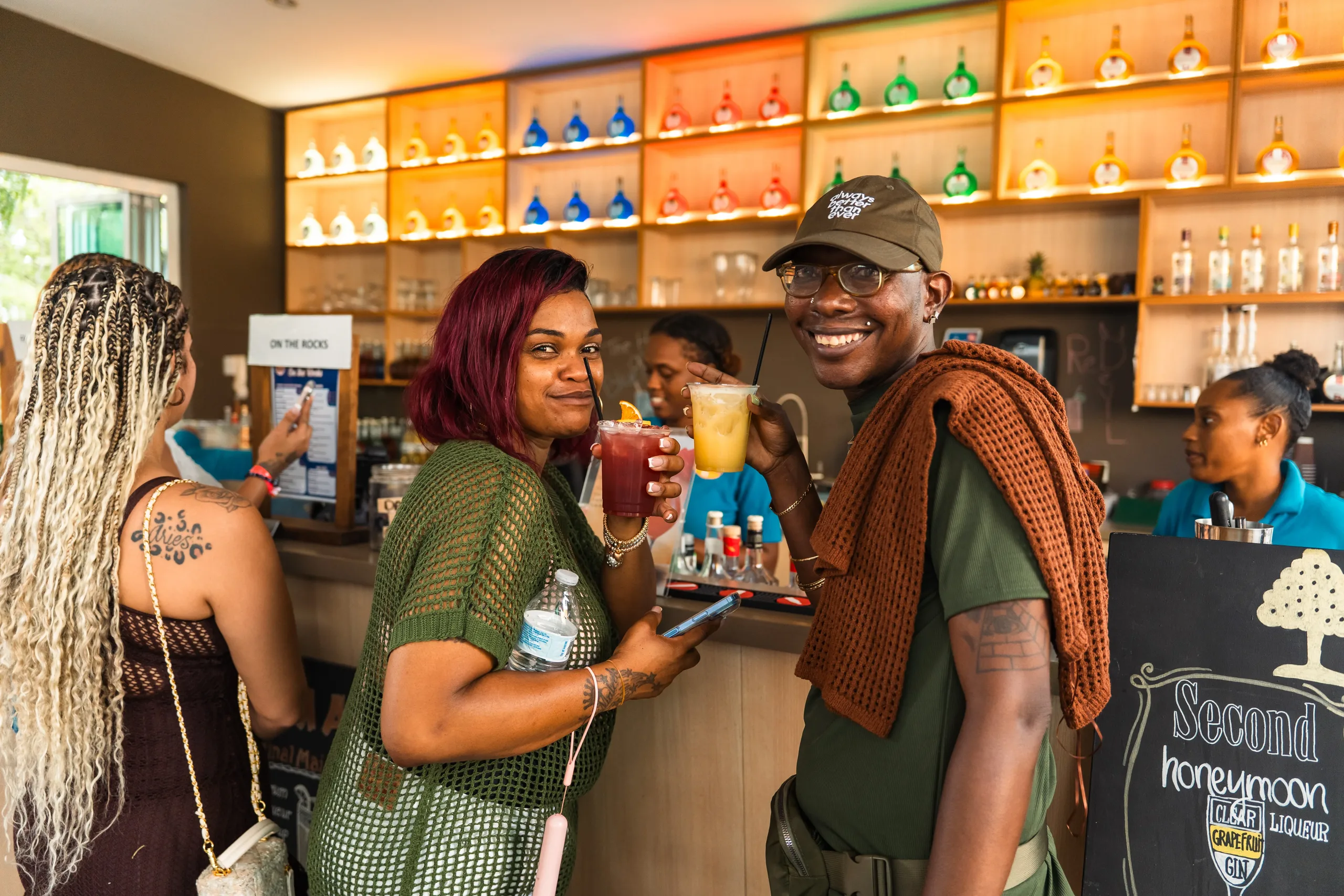
- 22. Blue Curaçao distillery (Landhuis Chobolobo): The estate where the island's namesake liqueur is made from dried Laraha peel, a bitter orange that only grows properly here. Short self-guided tour, tasting at the end. Check hours before you go.
- 23. Keshi yena: Spiced stewed chicken baked inside a shell of Edam. Born from plantation kitchens making a meal of the cheese rinds the owners discarded. Order it once, minimum.
- 24. Pastechi: The island's breakfast: a fried pastry pocket filled with Gouda, spiced meat, or fish, bought from a bakery counter before 9am. Two is a normal order. Three is understood.
- 25. West-coast sunsets: End the day facing west. Kokomo and the Vaersenbaai bars, the Westpunt cliffs, or the Otrobanda waterfront all work; pick whichever one you are already near.
How to Fit It All In
Nobody does all 25 in one trip. With a week, a rhythm that works: two beach days, one Willemstad day on foot, one nature day for the park and the north coast, one water day, and two days with no plan at all. On a cruise stop, pick either the old town or one great beach: trying both means seeing neither properly. And if you do not want to spend your vacation navigating, that is literally why we run day tours. Either way, the island rewards people who leave the resort.
Frequently asked questions
- What are the best things to do in Curaçao?
- Curaçao's top experiences fall into five groups: beaches such as Grote Knip and Cas Abao, snorkeling the Tugboat wreck and shore reefs, exploring UNESCO-listed Willemstad, nature at Hato Caves, Christoffel Park and Shete Boka, plus local food like keshi yena. Most visitors mix a couple of beach days with one culture day and one nature day.
- What is the best beach in Curaçao?
- Grote Knip, also called Playa Kenepa Grandi, is the most iconic, with pale sand and vivid turquoise water. Cas Abao is the easy pick for facilities, and Playa Piskadó is best for turtle snorkeling. The right beach depends on whether you want scenery, amenities, or wildlife. Arrive early, as shade is limited at the prettiest coves.
- Do you need a car to get around Curaçao?
- A car helps, because the best beaches and parks sit across the west end and public transport does not reach most of them. If you would rather not drive, a guided day tour bundles the transport and a local guide, so you can see the island without a rental car. Both options work well.
- Where can you see turtles in Curaçao?
- Playa Piskadó, also known as Playa Grandi, is the best-known spot, where green sea turtles are often seen near the small fishing cove. Sightings are common but never guaranteed. Snorkel calmly, keep your distance, and never touch or feed them. The turtles come and go with the day's catch, so check conditions locally.
- Is Willemstad worth visiting?
- Yes. Willemstad's old town is a UNESCO World Heritage Site, famous for the candy-colored Handelskade waterfront, the floating Queen Emma pontoon bridge, and the historic Punda and Otrobanda districts. Give it at least half a day on foot, and add the Kura Hulanda museum for essential context on the island's history.
- Where can you see flamingos in Curaçao?
- Flamingos are often seen on the inland salt flats near Jan Kok and Sint Willibrordus, typically feeding around dawn and dusk. Sightings are never guaranteed and the birds spook easily, so watch quietly from a distance and never approach. Bring binoculars or a zoom lens rather than trying to get close.
- What food is Curaçao known for?
- Curaçao's signature dishes include keshi yena, spiced stewed chicken baked inside a cheese shell, and pastechi, a fried pastry stuffed with cheese, meat, or fish. Look for the daily local special at roadside snacks. To drink, the island is famous for Blue Curaçao liqueur, made from local Laraha citrus peel.
- How many days do you need in Curaçao?
- Five to seven days lets you enjoy the island without rushing. A good rhythm is two beach days, one day exploring Willemstad on foot, one nature day covering a park and the north coast, and one water day for snorkeling or diving, leaving time to simply slow down and relax.