Curaçao vs Aruba: Which Island Should You Visit?
Curaçao vs Aruba compared side by side: beaches, snorkeling, culture, cost, crowds, and weather, plus who should pick which island for their Caribbean trip.
Two Beautiful Islands, Two Different Trips
The short version first. Aruba is the polished resort island: one long, soft beach lined with hotels, calm shallow water, everything in walking distance. Curaçao is bigger and more spread out: a UNESCO capital, a working local economy, and dozens of small coves instead of one famous strand. Same Dutch roots, same dependable weather, very different trips.
Full disclosure: we run tours on Curaçao, so we are not neutral. But our guests compare these two islands constantly, plenty of them have loved Aruba, and a comparison that pretends Aruba has no case is useless to you. So, category by category.
Beaches
Aruba: long, soft, and easy
Aruba's calling card is Eagle Beach and Palm Beach: wide, powder-soft white sand backed by resorts and palapas, calm shallow water, gradual entries. If the dream is walking from your hotel lounger straight into gentle sea, then strolling the same beach at sunset, Aruba does that better than almost anywhere in the Caribbean. No argument from us.
Curaçao: many small coves, more variety
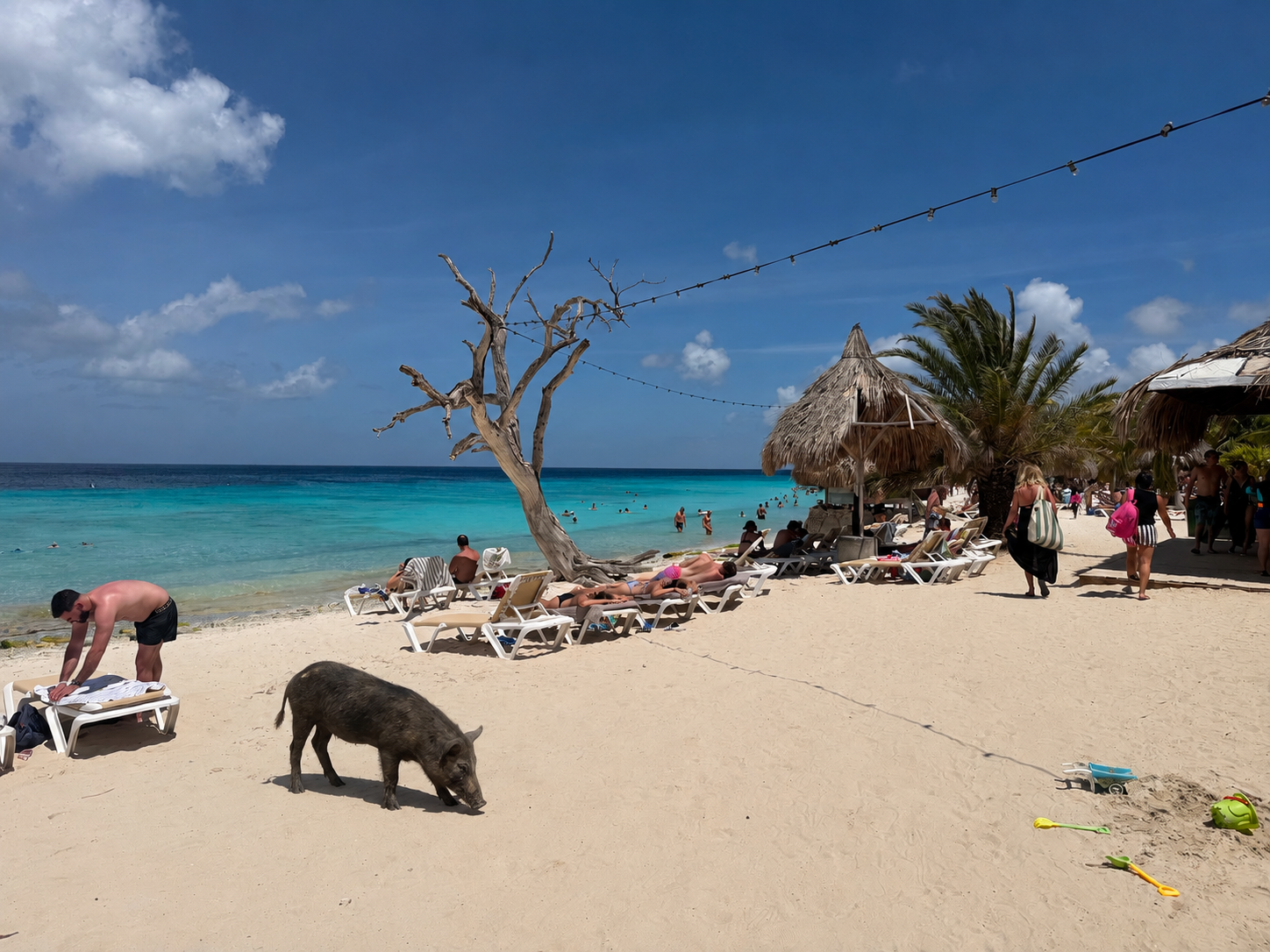
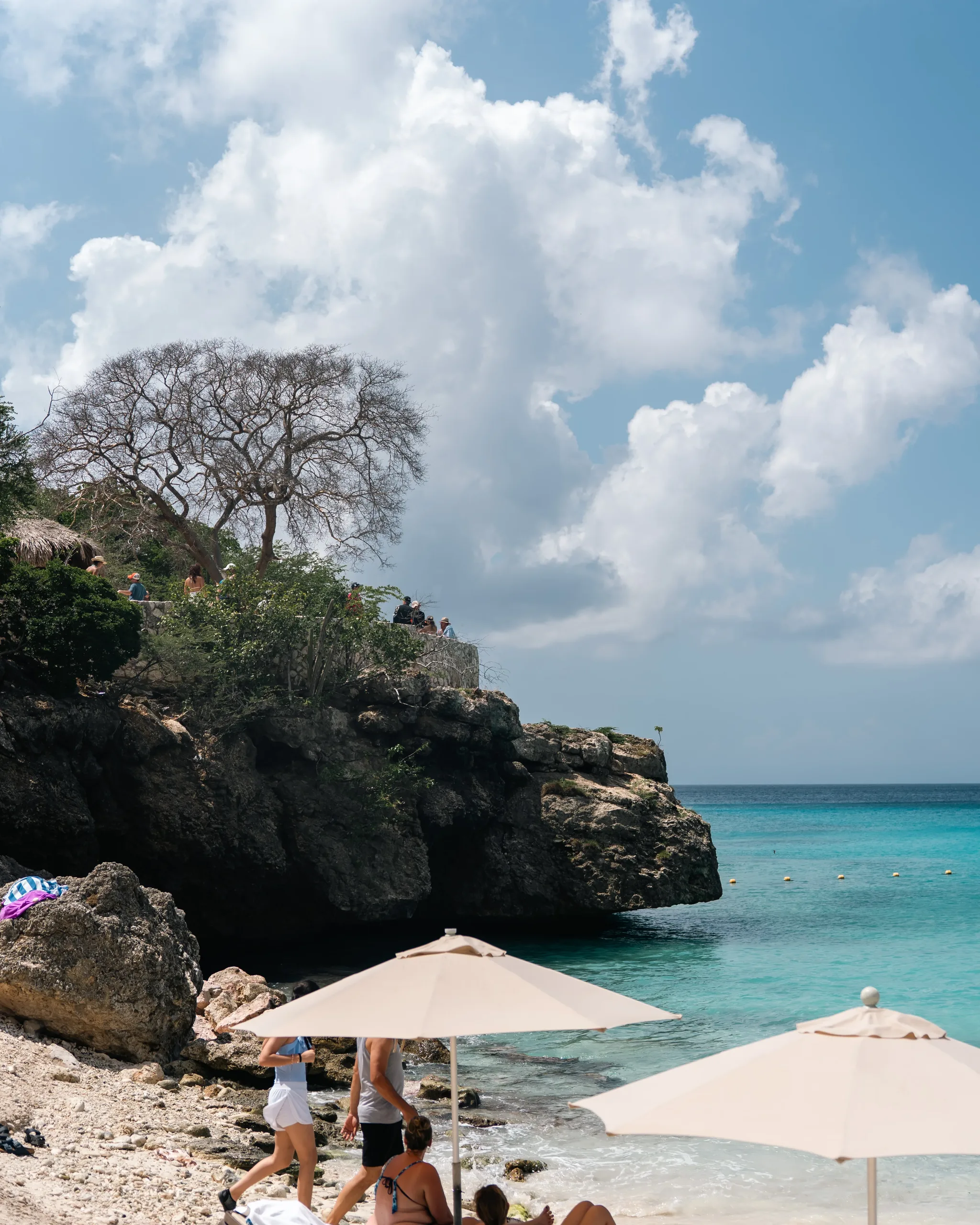
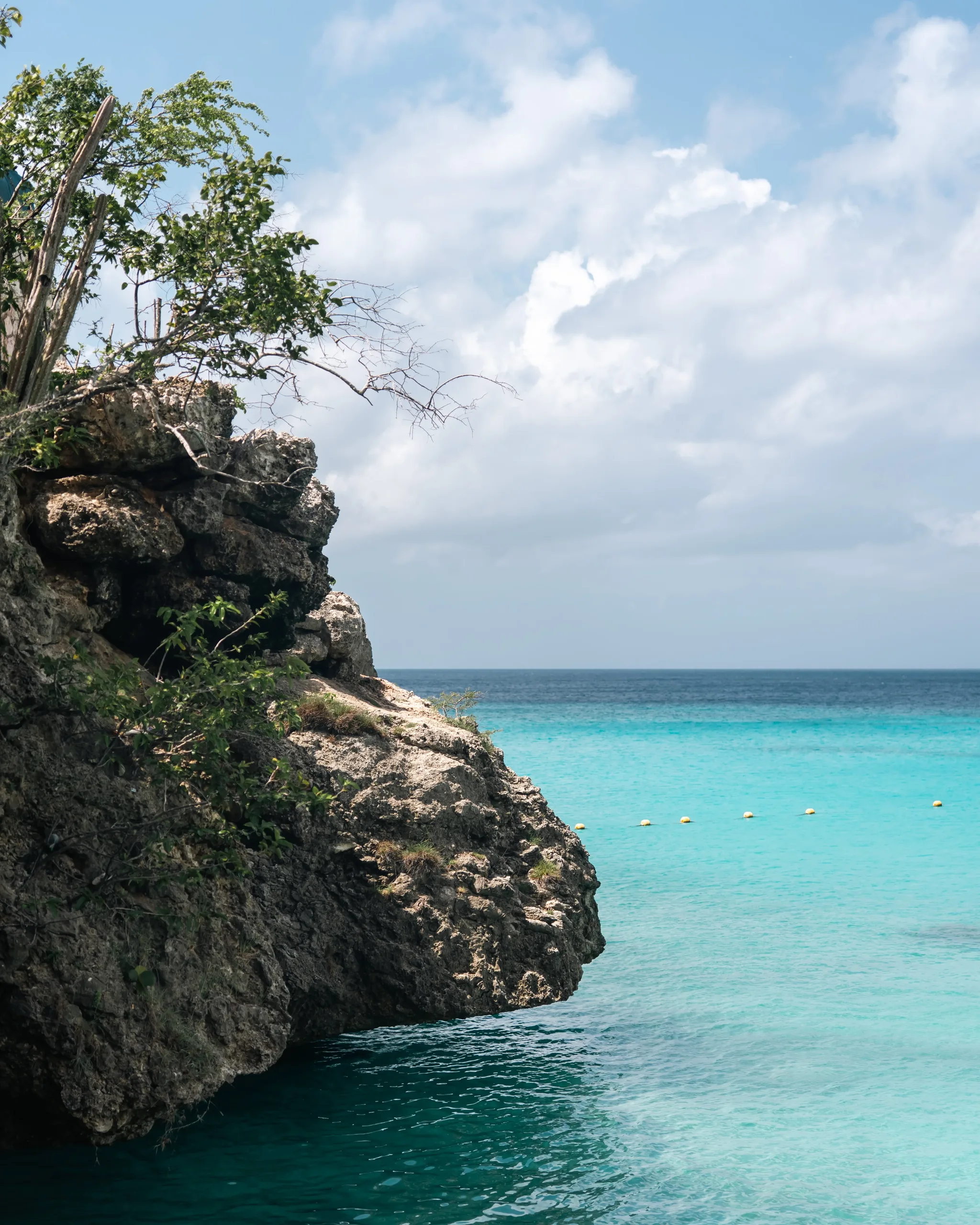
Curaçao does beaches differently. Instead of one long strand: small coves tucked between limestone cliffs, famous ones like Cas Abao and Grote Knip alongside quiet pockets you can have nearly to yourself. Some have soft sand and full facilities; others are wilder, with rock and coral underfoot. The catch is real. You usually need a car to hop between them, and no single beach is as long as Aruba's. The payoff is variety and the feeling of finding your own spot. We rank them in our best beaches guide.
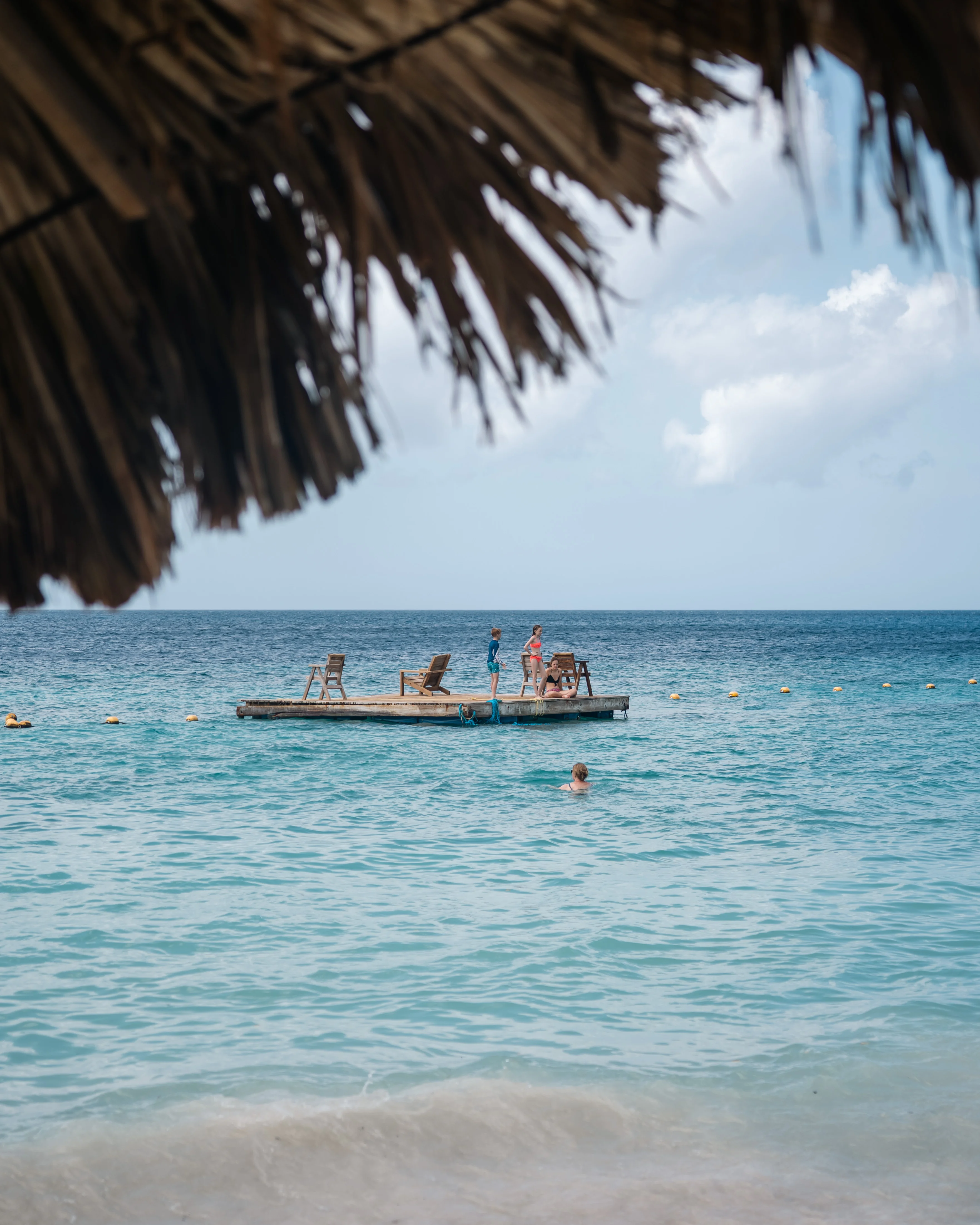
Snorkeling and Diving
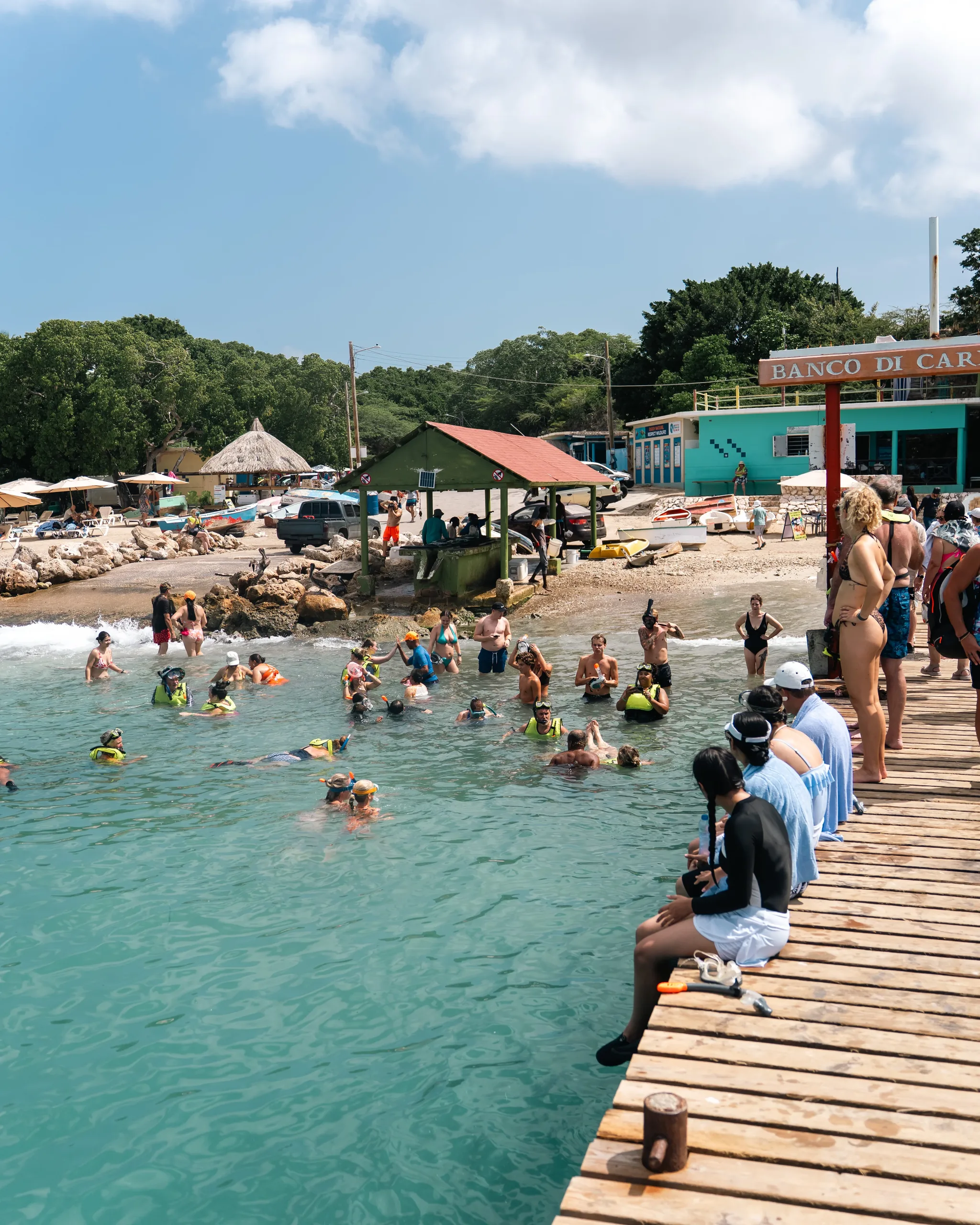
This one Curaçao wins outright. A healthy fringing reef rings the island and often sits a short swim from shore, which is why divers rate it among the best shore-diving islands anywhere. Walk in off the sand at the Tugboat, Playa Kalki, or Playa Lagun and you are over living coral, sponges, and reef fish within minutes. No boat, no schedule. Green sea turtles turn up at certain coves, wild animals, so never guaranteed, but common.
Aruba dives well too. The Antilla wreck is famous, and the calm water is kind to beginners. But the reef generally sits farther out, so more of the good snorkeling and diving runs by boat. If underwater time is central to your trip, Curaçao gives you more of it for less effort. Our Top 3 Beaches & Sea Turtles tour exists because of exactly this strength.
Culture and History
Both islands are Dutch Caribbean and share a creole language (Aruba spells it Papiamento, Curaçao Papiamentu), and on both you can get by in English, Dutch, or Spanish without trying. Oranjestad, Aruba's capital, is pretty and walkable: pastel Dutch-colonial buildings, easy shopping.
Willemstad is a different weight class. It is a UNESCO World Heritage Site: the candy-colored Handelskade waterfront, the floating Queen Emma pontoon bridge, the old Punda and Otrobanda districts, one of the oldest synagogues in the Americas, and a layered story of trade, colonialism, and Afro-Caribbean heritage the island does not gloss over. Add the murals, the museums, and the food, and Curaçao simply has more to chew on between beach days. Our things to do guide shows how to mix the two.
Crowds and Vibe
Aruba is built for tourism, and it is good at it. The high-rise hotel zone is lively, well-serviced, and predictable, with dining and nightlife in walking distance. For many travelers that convenience is the whole point. It also means the busy areas feel like a resort strip, and in peak season they are crowded.
Curaçao feels lived-in. Tourism matters here, but the island has a working economy and a real population going about its day, so beaches, restaurants, and neighborhoods feel less packaged. Some visitors love that. Others miss having everything in one place. Neither is wrong. It depends on the holiday you are after.
Value and Cost
We will keep this relative, because prices move and quoted figures go stale. In general, Curaçao works out somewhat cheaper for dining, local tours, and everyday spending, partly because it is not concentrated around a single resort corridor. Aruba, with its dense high-end hotel zone and heavy US flight demand, prices toward the premium end, especially in peak months.
A tendency, not a rule. There is luxury on Curaçao and there are deals on Aruba. But if you are stretching a budget across a longer trip, Curaçao gives you more room, especially once you eat where locals eat.
Getting Around
Aruba is small and simple. So much sits along one coast that some visitors never rent a car; taxis, tours, and hotel-area walking cover most of it.
Curaçao asks more of you. A rental car (driving is on the right) is what opens up the western coves, Shete Boka, and the quiet corners on your own schedule. If you would rather not drive on vacation, that is what guided day trips are for. Our Green Escape full-day tour covers a lot of the island in one day without you touching a steering wheel.
Families
Both work. Aruba's calm, shallow, facility-rich beaches and short distances make it very easy with young children. Curaçao suits slightly older kids and teens who want snorkeling, caves, and exploring, as long as the adults do not mind driving between spots. First Caribbean trip with toddlers: Aruba. A mixed-age crew that gets restless on day three of the same beach: Curaçao.
Cruise Visitors
Both are easy ports: step off the ship, walk into a photogenic capital. On Curaçao you are inside UNESCO Willemstad almost immediately, which fills a few hours well even without a tour. On Aruba, Oranjestad and the nearby beaches are just as convenient. For a short port day, Curaçao packs more culture into walking distance; Aruba packs in easier beach time.
Weather
Near twins, and that is good news. Both sit outside the main Atlantic hurricane belt, both are dry and sunny, and both are cooled by steady trade winds most of the year, with brief passing showers instead of long rainy spells. Do not pick your island on climate. It is a tie.
Side by Side
| Category | Aruba | Curaçao |
|---|---|---|
| Beaches | Long, soft resort strands | Many small wild coves, more variety |
| Snorkel and dive | Good, mostly boat-based | Standout shore diving and reefs |
| Culture and history | Charming Oranjestad | UNESCO Willemstad, deeper heritage |
| Vibe | Developed, resort-focused | More local, lived-in |
| Value (relative) | Tends premium | Often a bit more affordable |
| Getting around | Compact, car optional | Larger, car or tours recommended |
| Weather | Outside hurricane belt | Outside hurricane belt |
So, Which One?
Choose Aruba if you...
- Want one long, soft beach right outside your hotel and no car keys all week.
- Prefer a polished resort holiday with dining and nightlife in walking distance.
- Are traveling with very young children and value simplicity over variety.
- Are flying from the US and want the widest choice of direct flights.
Choose Curaçao if you...
- Snorkel or dive and want reefs you can reach straight from the sand.
- Want real history alongside your beach days, anchored by UNESCO Willemstad.
- Prefer a lived-in local feel and the idea of a different cove every day.
- Are stretching a budget across a longer, more exploratory trip.
Cannot decide? Repeat Caribbean travelers often end up doing both: one island for the easy beach reset, one for the reefs and the history. They are close enough that they complement rather than compete.
So which island should you book?
If your ideal trip is one perfect beach, a lounger, and nothing to organize, book Aruba: it does that better than we do, and pretending otherwise would be silly. If you want reefs you can walk into and a capital worth a full day on foot, book Curaçao and come see us. Weather will not settle it; both islands sit outside the hurricane belt. What settles it is which of those two trips you just recognized as yours.
Frequently asked questions
- Is Curaçao or Aruba better?
- Neither is objectively better, they suit different trips. Aruba is best for an easy, resort-forward holiday with one long, soft beach and effortless swimming. Curaçao is best for shore snorkeling and diving, UNESCO Willemstad culture, more beach variety, and a more local feel. Pick by the vacation you actually want.
- Which island has better beaches, Curaçao or Aruba?
- It depends on what you value. Aruba has longer, softer, uninterrupted resort strands like Eagle and Palm Beach, ideal for easy swimming and walking. Curaçao has dozens of smaller, more varied coves tucked between cliffs. Aruba wins on one perfect beach; Curaçao wins on variety and quieter, more secluded spots.
- Is Curaçao or Aruba better for snorkeling and diving?
- Curaçao has a real edge here. Its fringing reef often sits a short swim from shore, making it one of the world's great shore-diving and shore-snorkeling islands, with turtles common at some coves. Aruba has good diving too, including the Antilla wreck, but more of its best sites are boat-based.
- Is Curaçao cheaper than Aruba?
- In general terms, yes, Curaçao often works out somewhat more affordable for dining, local tours, and everyday spending, especially away from resort areas. Aruba's dense high-end hotel zone and strong flight demand tend to price toward the premium end. Both have exceptions, so this is a tendency rather than a strict rule.
- Which island is better for families, Curaçao or Aruba?
- Both are excellent. Aruba's calm, shallow, facility-rich beaches and short distances make it very easy with toddlers, with everything close together. Curaçao offers more variety for older kids and teens who enjoy snorkeling, caves, and exploring, though it rewards families comfortable driving between spots. Choose Aruba for simplicity, Curaçao for adventure.
- Are Curaçao and Aruba outside the hurricane belt?
- Yes, both islands sit outside the main Atlantic hurricane belt, which makes them among the more weather-reliable Caribbean choices during the wider storm season. Both are dry, sunny, and cooled by steady trade winds most of the year, with brief passing showers rather than long rainy spells. Climate should not decide between them.