De perfecte driedaagse reisroute op Curaçao voor mensen die er voor het eerst komen
Een dag-voor-dag reisplan van drie dagen voor mensen die Curaçao voor het eerst bezoeken: de natuur en stranden aan de westkust, zeeschildpadden, zonsondergangen en de historische oude binnenstad van Willemstad.
In drie dagen kunt u Curaçao goed verkennen, mits u ze in de juiste volgorde doorbrengt: eerst de uiterste westkust, vervolgens de kustgebieden en ten slotte de oude binnenstad. De meeste mensen die voor het eerst op Curaçao zijn, verspillen de helft van een lang weekend aan het regelen van een huurauto en het rijden in de verkeerde richting. De oplossing is om één begeleide dagtour te combineren met ontspannen tijd op het strand en in de stad, en het rijden over te laten aan iemand die de wegen kent.
Waar kunt u het beste verblijven? In Willemstad, of in de buurt daarvan. De hoofdstad ligt ongeveer in het midden van de zuidkust: 15 tot 20 minuten van de luchthaven (Curaçao International, ook wel Hato genoemd), op loopafstand van restaurants en de historische waterkant, en binnen handbereik van elke dagtrip. Als u het eiland in de verkeerde richting doorkruist, verliest u een uur. Als u in de stad verblijft, gebeurt dat nooit.
De westkant versus de stadskant. De stadskant staat voor kleur, cafés en Nederlands-Caribische geschiedenis. De westkant, richting Westpunt, bestaat uit een ruige kustlijn, baaien met poederzand, grotten en de schildpaddenstranden. Het is een rit van 45 minuten tot een uur vanaf de hoofdstad. Juist vanwege die afstand is een begeleide dagtrip naar het westen zo aan te raden: de hele kust in één rondrit in plaats van dat u zelf moet rijden.
Dag 1
Begin groots. Dag één staat volledig in het teken van de natuur en het strand aan de westkant, het deel van het eiland dat op eigen kracht het moeilijkst te bereiken is. Dit is de dag om het stuur uit handen te geven.
Ochtend
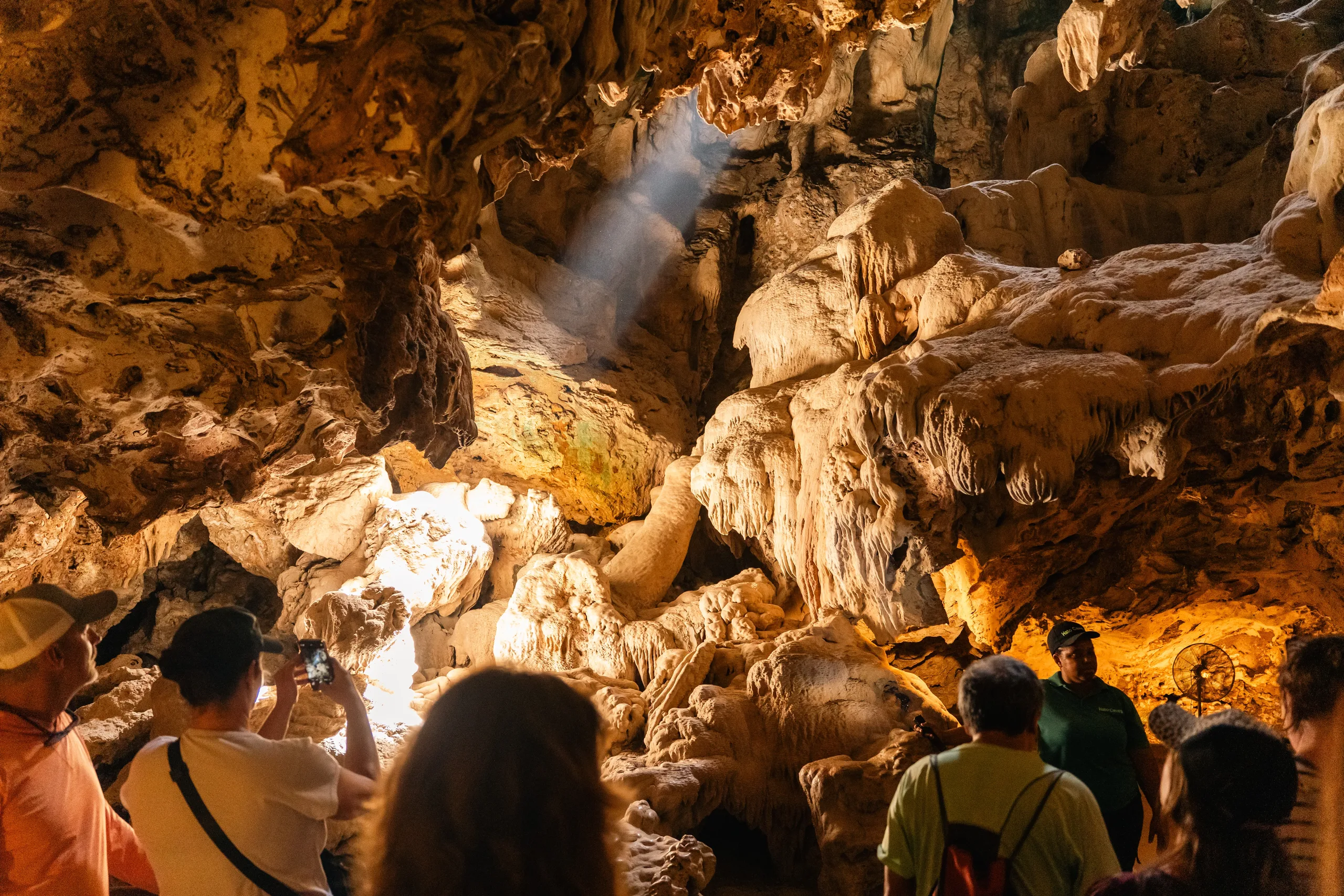
Begin de dag met de Green Escape-dagtour, die de mooiste bezienswaardigheden van de westkust in één rondrit samenbrengt. De ochtend begint doorgaans bij de Hato Caves (kalksteenkamers, rotsformaties en een kleine kolonie vleermuizen net ten noorden van Willemstad, vlakbij de luchthaven), waarna de tocht langs de kust verdergaat en de stadsstraten plaatsmaken voor cactuslandschap. Ons overzicht van activiteiten op Curaçao behandelt wat u in de grotten kunt verwachten.
Middag
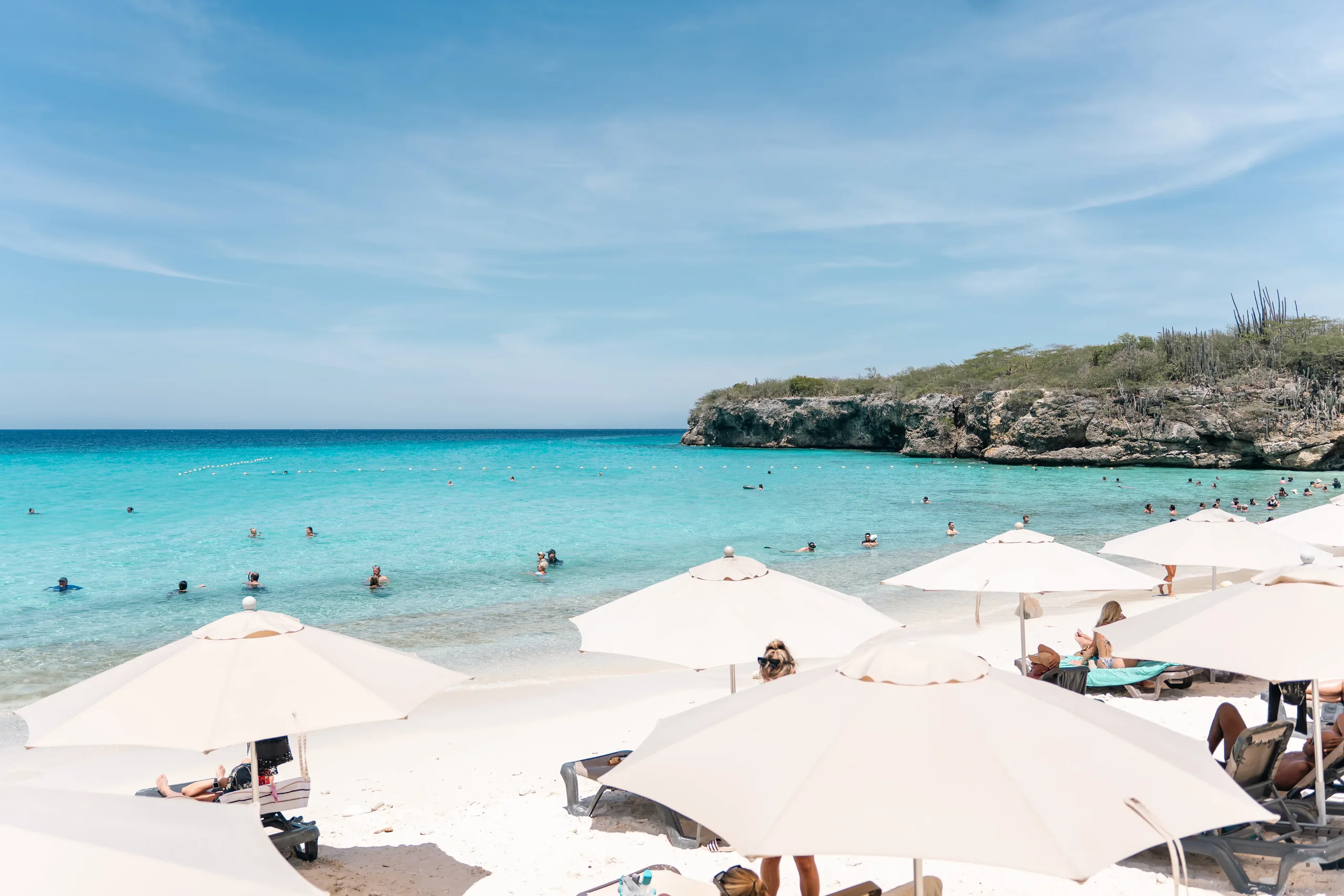
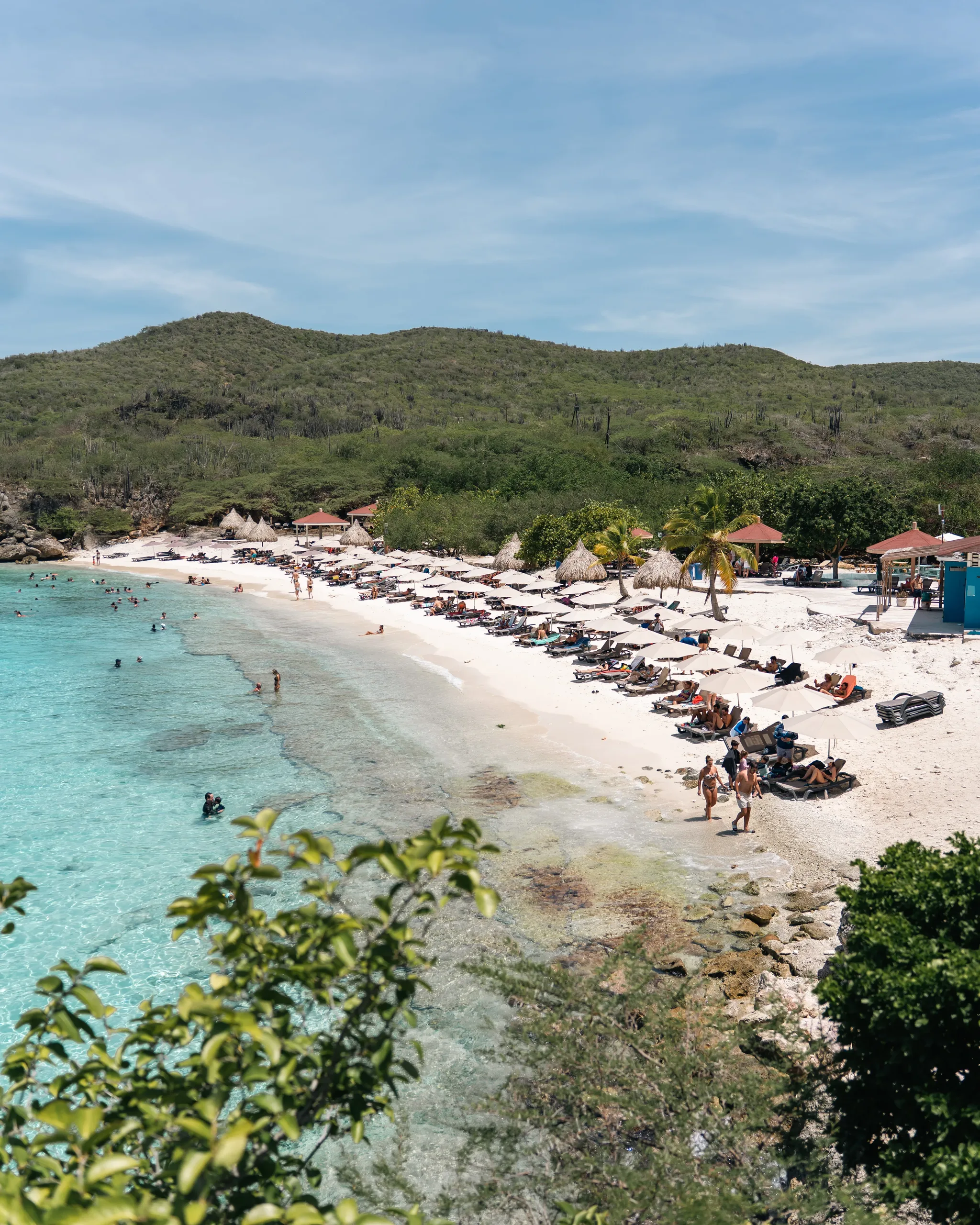
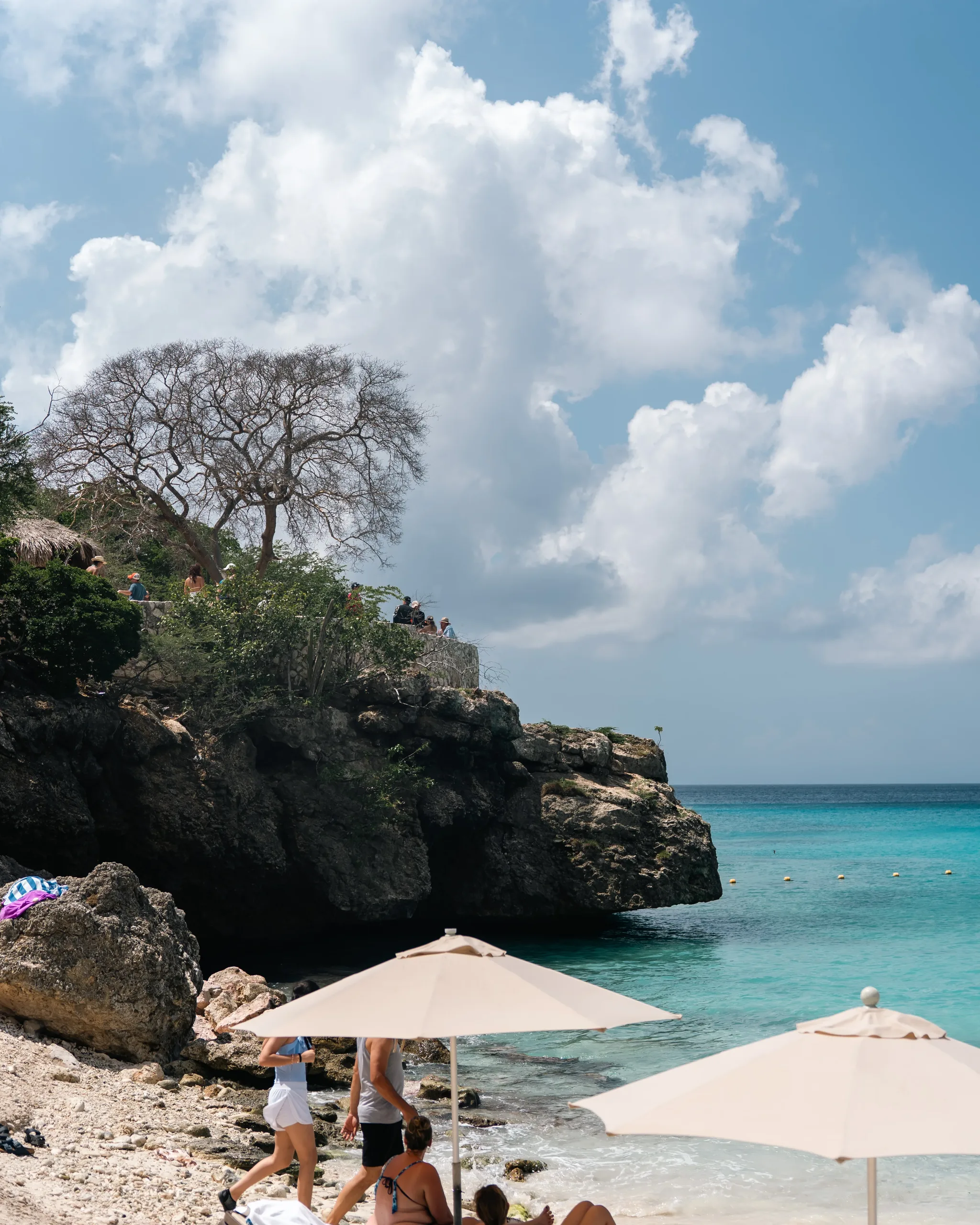
De middag is het hoogtepunt. Eerst de schildpaddenwateren, waar groene zeeschildpadden grazen en in het ondiepe water naar de oppervlakte komen, het zijn wilde dieren, dus niemand kan u garanderen dat u ze zult zien, maar de kansen zijn hier een van de beste in het Caribisch gebied. Vervolgens Kenepa, plaatselijk bekend als Knip: een gebogen baai met diepblauw water onder lage kliffen die op vrijwel elke lijst van de mooiste stranden van het eiland staat. Zwemmen, snorkelen langs de rotsachtige randen, lekker zitten. Onderweg voert de route meestal langs de zoutpannen bij Sint Willibrordus, waar flamingo’s waden in het roze getinte ondiepe water.
Avond
U keert zout en uitgeput terug naar Willemstad. Sla het hotelbuffet over. Zoek een klein familierestaurantje waar Krioyo wordt geserveerd, de lokale keuken van het eiland: kabritu (gestoofde geit), de vangst van de dag, funchi (een bijgerecht van maïsmeel) en bakbananen. Een koud Amstel Bright erbij maakt de dag op de juiste manier af. De goede, kleine eettentjes zitten in het weekend ’s avonds vol: controleer de openingstijden en reserveer indien mogelijk.
Dag 2
Dag twee staat in het teken van het water. Gisteren hebt u de kust gezien; vandaag gaat u erin. De riffen van Curaçao beginnen dicht bij de kust en lopen snel af, waardoor het een van de gemakkelijkste plekken in de regio is om direct vanaf het strand te snorkelen.
Ochtend
Richt de ochtend in rond de Top 3 Stranden & Zeeschildpadden-tour, die het giswerk bij het kiezen van stranden overbodig maakt en u rechtstreeks in het water brengt waar het zeeleven zich bevindt. De stop bij de schildpadden is voor de meeste mensen het hoogtepunt. Lees onze gids over hoe u met schildpadden kunt zwemmen op Curaçao voordat u vertrekt: drijf stil, houd afstand en laat ze naar u toekomen.
Middag
Houd de middag ontspannen. Kies één strand en maak het u daar gemakkelijk, in plaats van tussen nog drie andere stranden heen en weer te rennen. De zuidkust is bezaaid met beschutte baaien: rustig, helder water, gemakkelijk om te zwemmen, waarvan er verschillende een strandbar en ligstoelen te huur hebben. Ons overzicht van de beste stranden van Curaçao geeft een overzicht van de drukke stranden met volledige service tegenover de rustige, ongerepte stranden. Zwemmen, lezen, een dutje doen, en dat steeds weer opnieuw.
Avond
Zorg dat u bij zonsondergang op het water bent. Het eiland ligt op het westen en zuiden, dus de zon zakt de meeste avonden rechtstreeks in zee, en een strandbar met uw voeten in het zand is daarvoor de ideale locatie. Bestel een Blue Curaçao, deze likeur is hier uitgevonden, gemaakt van de schillen van de bittere laraha-sinaasappels van het eiland. Toeristisch, ja. Probeer het toch maar eens.
Dag 3
Dag drie staat in het teken van cultuur, en die beleeft u te voet, precies daar waar u verblijft. Het historische centrum van Willemstad staat op de Werelderfgoedlijst van UNESCO, en na twee actieve dagen is een ochtend zonder lange autorit en zonder vroege boot een welkome afwisseling.
Ochtend
Begin de ochtend met de cultuurrondleiding ‘Heart of Willemstad’. Een lokale gids verandert de pastelkleurige rijtjeshuizen aan de Handelskade van een fotolocatie in een verhaal: waarom de gebouwen in die kleuren zijn geschilderd, hoe de Nederlandse koloniale handel de haven heeft gevormd, en hoe het dagelijks leven eruitziet in de twee historische wijken, Punda en Otrobanda. U steekt de Koningin Emmabrug over, de drijvende pontonbrug die openzwaait om schepen door te laten. Het is een van de meest gefotografeerde bezienswaardigheden op het eiland, en eroverheen lopen is nog leuker dan er foto’s van maken.
Middag
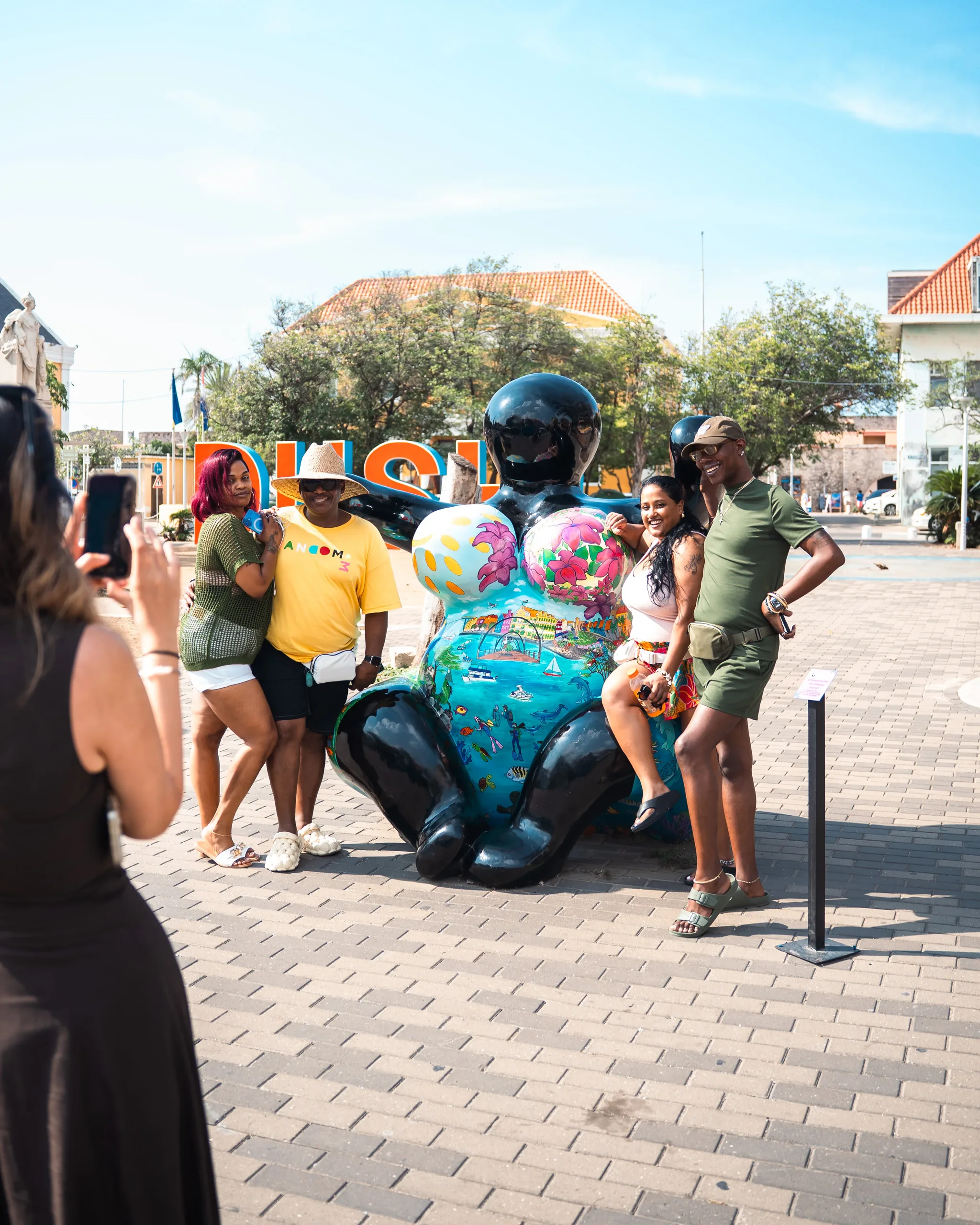
Breng de middag op uw eigen tempo door. Dwaal door de smalle straatjes van Punda, snuffel rond op de drijvende markt waar boten uit Venezuela langs het kanaal groenten en fruit verkopen, en duik even een museum binnen als de hitte te hevig wordt. De klassieke foto van de Handelskade wordt genomen vanaf de overkant van het water: loop erheen en maak die foto. U hoeft hiervoor niets te plannen, alleen comfortabele schoenen.
Avond
Reserveer voor de laatste avond een tafel aan het water. Willemstad heeft terrasrestaurants direct aan de haven waar boten voorbijglijden terwijl u eet, en de mix van Nederlandse, Caribische en Latijns-Amerikaanse gerechten op het menu is interessanter dan de standaardgerechten in strandresorts.
Waarom deze volgorde werkt
De volgorde is bewust gekozen. Op dag één worden de logistiek gezien zwaarste activiteiten (de uiterste westkust) ondernomen terwijl u nog vol energie zit, waarbij een gids het rijden voor zijn rekening neemt. Op dag twee blijft u dicht bij uw uitvalsbasis, zodat u spontaan kunt beslissen hoe lang u ergens blijft. Op dag drie hebt u helemaal geen auto nodig, wat goed uitkomt op een vertrekdag waarop u half naar de klok kijkt. Drie dagen, en u hebt grotten, schildpadden, de mooiste stranden van het eiland, flamingo’s, een drijvende brug en een door UNESCO erkende oude binnenstad bezocht zonder ooit een auto te huren.
Veelgestelde vragen
- Hoeveel dagen heeft u nodig op Curaçao?
- Drie volle dagen zijn voldoende voor een geweldig eerste bezoek. Hiermee kunt u de stranden en grotten aan de westkust, een dagje snorkelen en zeeschildpadden, en de historische oude binnenstad van Willemstad bezoeken, zonder dat u zich gehaast voelt. Met vijf tot zeven dagen kunt u het wat rustiger aan doen en dagtochten toevoegen, zoals naar Klein Curaçao.
- Wat is de ideale 3-daagse reisroute voor Curaçao?
- Verblijf in Willemstad. Dag 1: een begeleide dagtour langs de westkust naar de Hato Caves, zeeschildpadden, het Kenepa-strand en flamingo’s. Dag 2: stranden, snorkelen en een zonsondergang. Dag 3: de historische binnenstad van Willemstad, de Handelskade en de Koningin Emmabrug, allemaal te voet.
- Heeft u een huurauto nodig voor 3 dagen op Curaçao?
- Nee. Als u in Willemstad verblijft en een of twee rondleidingen combineert met tijd op het strand en in de stad, kunt u het huren van een auto helemaal achterwege laten. Een gids neemt de lange rit naar de uiterste westkust voor zijn rekening, en de oude binnenstad en de stranden in het centrum zijn gemakkelijk te bereiken zonder eigen auto.
- Waar kan ik het beste verblijven op Curaçao als ik er voor het eerst kom?
- Verblijf in of in de buurt van Willemstad, de hoofdstad aan de zuidkust. De stad ligt dicht bij de luchthaven (ongeveer 15 tot 20 minuten rijden), op loopafstand van restaurants en de historische waterkant, en centraal genoeg om elke dagtrip gemakkelijk te kunnen maken.
- Wat is de beste tijd van het jaar om Curaçao te bezoeken?
- Curaçao is droog, zonnig en ligt buiten de orkaangordel, dus vrijwel elke maand is geschikt. Dankzij de passaatwinden is het er het hele jaar door aangenaam. Controleer de actuele weersomstandigheden voordat u wateractiviteiten boekt, maar u hoeft hier zelden uw reis af te stemmen op het weer.
- Kunt u op Curaçao zeeschildpadden en flamingo’s zien?
- Vaak wel, ja. Groene zeeschildpadden worden regelmatig waargenomen in de ondiepe wateren langs de noordwestkust, en wilde flamingo’s verzamelen zich bij de zoutpannen in het binnenland, nabij Sint Willibrordus. Het zijn wilde dieren, dus een waarneming is niet gegarandeerd, maar de kans daarop is tijdens een dag aan de westkust een van de grootste in het Caribisch gebied.