Curaçao 7-Day Itinerary: The Perfect One-Week Plan
A relaxed 7-day Curaçao itinerary: Willemstad, Klein Curaçao, Christoffel Park, west-coast beaches, snorkeling, flamingos, and the Hato Caves in one week.
One Week in Curaçao: The Relaxed Way to See It All
Seven days covers the west-coast beaches, the north-shore parks, Klein Curaçao, and both halves of Willemstad without ever stacking two big things on one day. That is the whole trick of this itinerary: one anchor activity per day, downtime around it. Squeeze the same list into four days and you spend the trip driving.
Practicalities first. Rent a car for at least part of the week: the best beaches and both national parks sit far from town with no public transport. Curaçao drives on the right. And build the days around the heat: mornings for hiking and driving, midday for water, evenings for Willemstad.
Day 1: Arrive, Settle, and Willemstad by Night
Do not plan much. Flights often land in the afternoon, and by the time you clear the airport, pick up the car, and reach your hotel around Willemstad, Jan Thiel, or Pietermaai, the day is mostly gone. Find the nearest supermarket, stock water and snacks, and swim wherever you are staying.
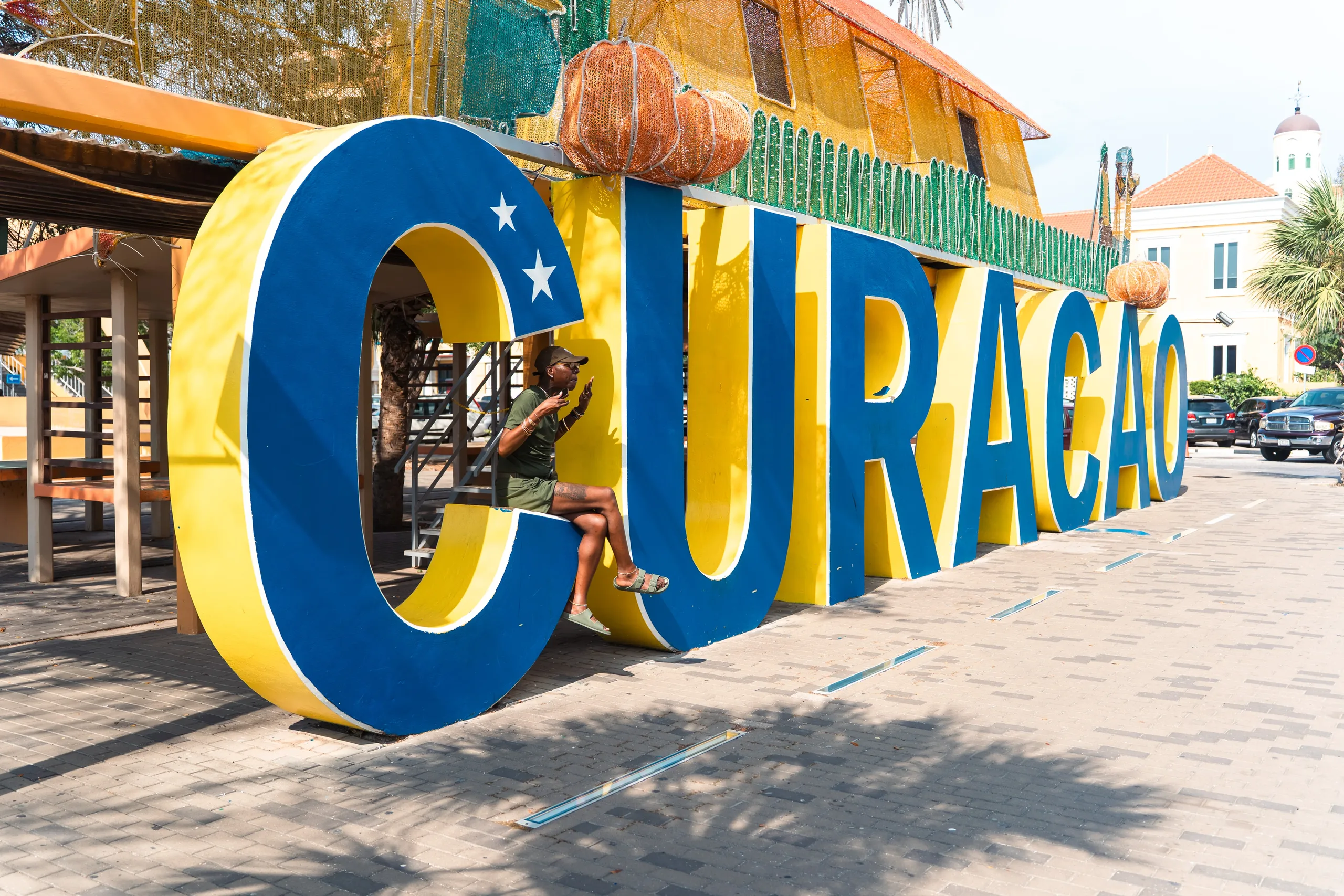
Save the evening for town. After dark the Handelskade facades light up and reflect on Sint Anna Bay, and Pietermaai (a restored strip of old townhouses, now mostly small restaurants and bars) is the easy dinner call. If the Queen Emma pontoon bridge closes to let a ship pass, stay and watch: the whole bridge swings open sideways on the water, and it has been doing that for well over a century.
Day 2: Willemstad by Day
Come back in daylight. The capital splits across the bay: Punda has the narrow shopping streets, the floating market where Venezuelan traders sell fruit and fish off their boats, and the tiny Mikve Israel-Emanuel synagogue, one of the oldest in continuous use in the Americas. Otrobanda, across the pontoon bridge, is quieter and more residential, and holds the Kura Hulanda museum, which tells the sober history of the transatlantic slave trade. Cross on foot and duck into the shaded courtyards when the sun gets heavy.
This is the one day a guided walk pays off, because the Dutch, African, and Caribbean layers are easy to walk straight past. The Heart of Willemstad tour covers the forts, the bridge, the synagogue, and Otrobanda's street art with a local who can connect them. Keep the afternoon open: long lunch, pool, nap. The week depends on you taking the downtime blocks.
Day 3: The Wild West End and Christoffel
Trade the coast for the interior. Christoffel National Park is built around Christoffelberg, the island's highest point at roughly 372 meters, and the summit hike is a real leg-burner: a steep, rocky scramble near the top. Start at first light, before the sun turns brutal. Nearby, Shete Boka National Park protects a stretch of north coast where the open Caribbean slams into limestone inlets. At Boka Tabla you stand inside a sea cave and feel the ground shudder as the waves crash below.
It is a lot of ground on unfamiliar roads. If you would rather not drive it, the guided full-day tour under Day 4 folds this park-and-blowholes leg into the same day as the west-coast beaches, no dirt-track navigation. For trails, timing, and what the summit actually demands, read our Christoffel Park guide before you go.
Day 4: West-Coast Beaches and Flamingos
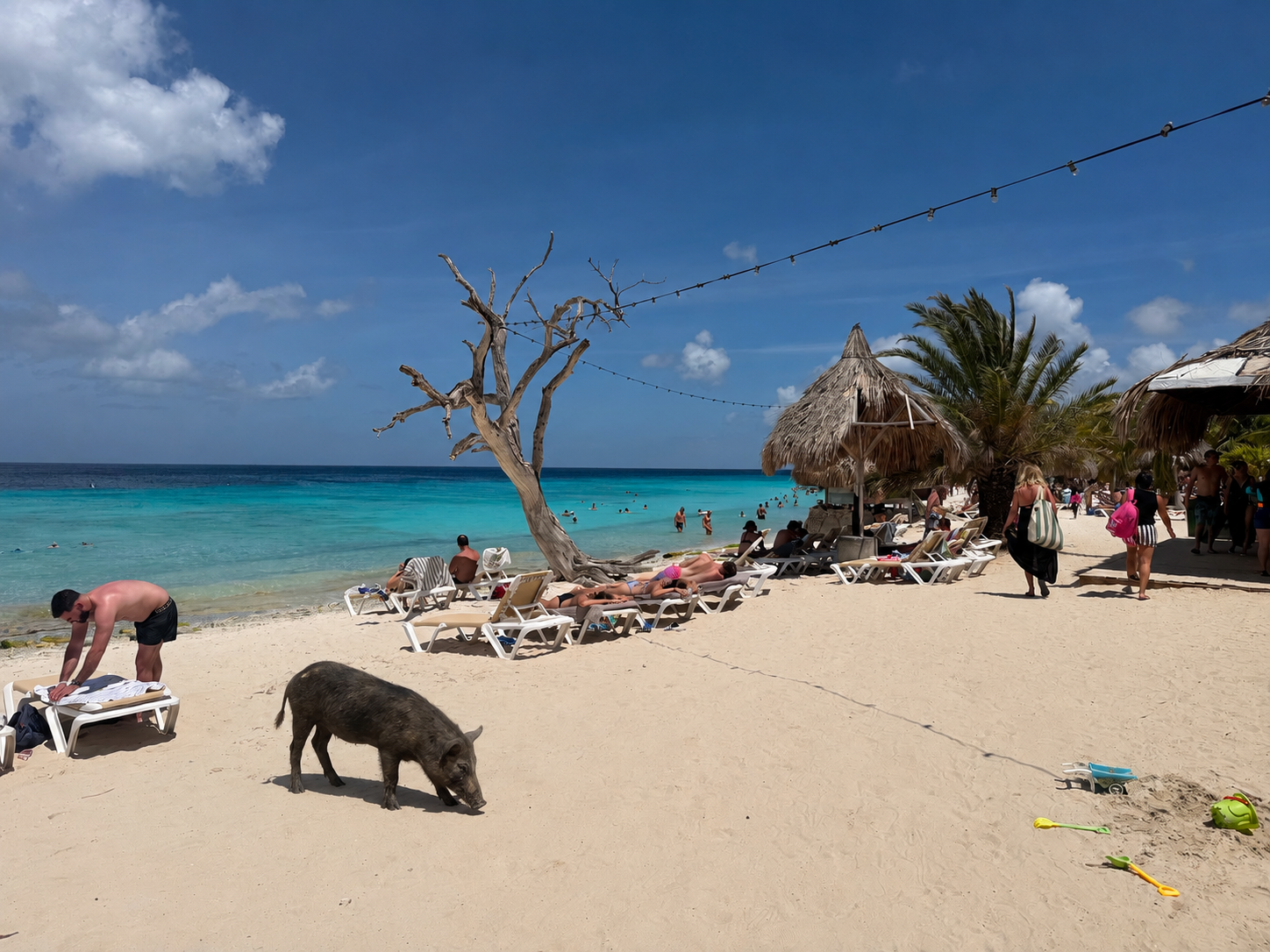
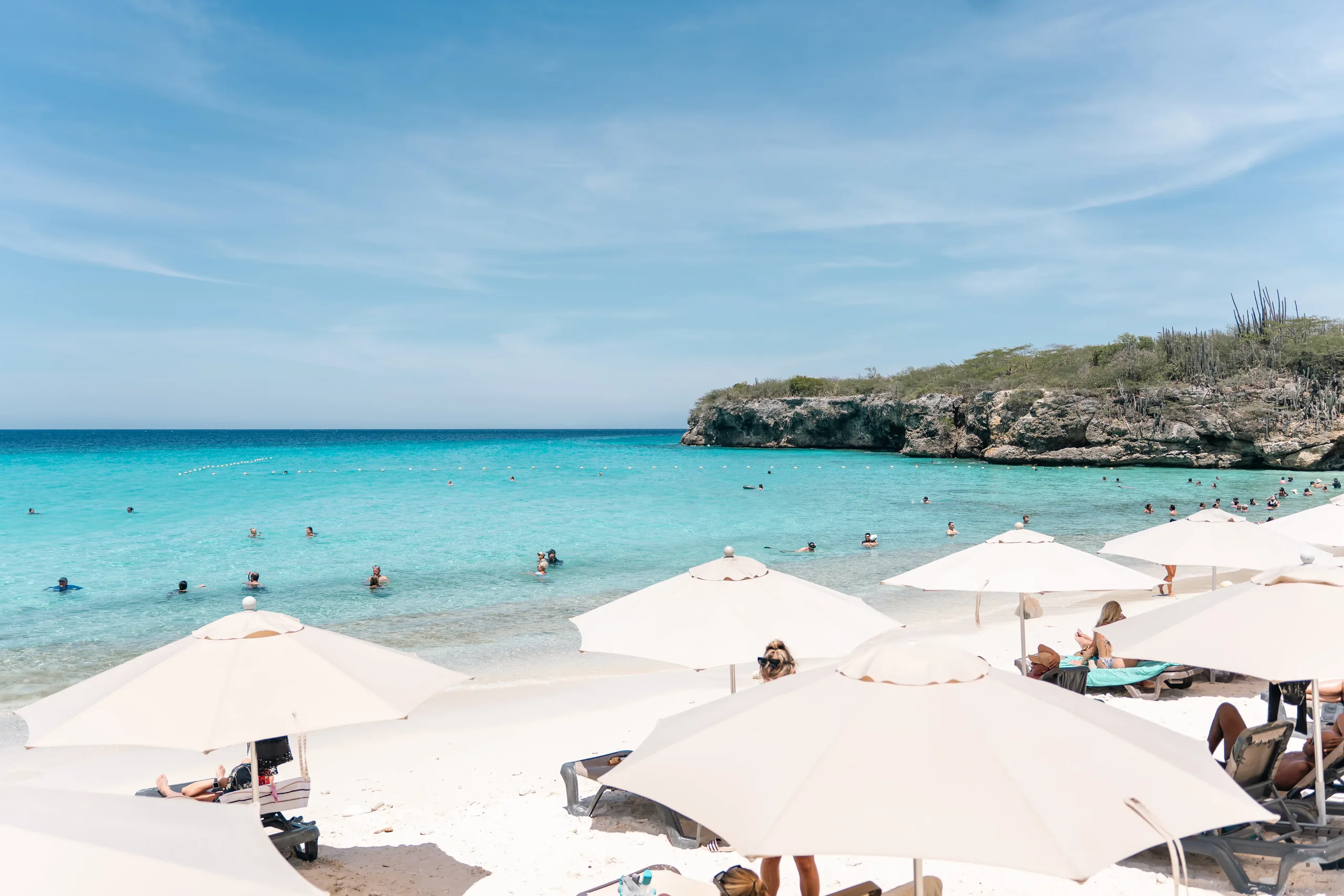
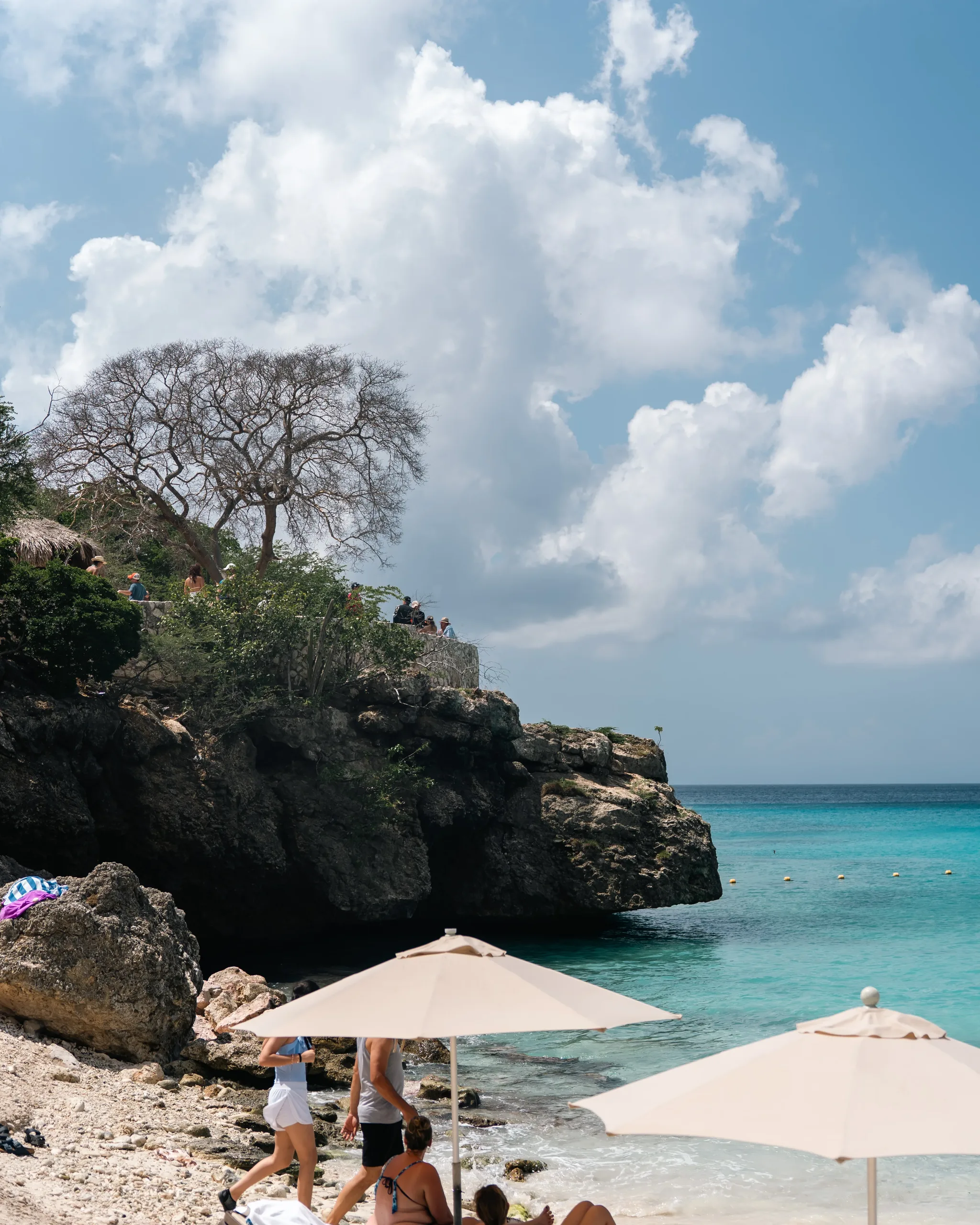
After a hiking day, the postcard beaches. Grote Knip (Kenepa Grandi) is the star: a wide crescent of pale sand, a low cliff on one side that the brave use for jumping, and water that goes from jade to deep blue a few meters out. Kleine Knip sits just up the road, and Cas Abao and Playa Lagun are a short drive if you want to hop between coves. Our Grote Knip beach guide covers parking, facilities, and when to arrive to beat the crowds.
On the drive back, detour to the salt flats near Sint Willibrordus. Jan Kok is one of the most reliable places on the island to see wild flamingos wading at dawn or late afternoon. Keep your distance and stay quiet: they spook easily, and wild birds come with no guarantees. Our Curaçao flamingos guide maps the best pans and the hours that give you the best odds.
Day 5: Klein Curaçao Day Trip
Give a whole day to Klein Curaçao, the flat, uninhabited island roughly 10 kilometers off the southeast tip. Boats leave early, usually from the Spanish Water marina, and the crossing takes one and a half to two hours each way depending on the sea. On the other side: a long white-sand beach, a weathered lighthouse, the remains of shipwrecks, and clear shallows that draw sea turtles. Operators set up shade and a barbecue lunch, and you get several unhurried hours to swim, snorkel, and wander.
Two warnings. Book it early in your week, because crossings get canceled in rough weather and you want a spare day to rebook. And it is a full commitment with no bailing out halfway: if anyone in your group gets badly seasick, weigh it honestly. Torn between this and simply driving to a mainland beach? Our Klein Curaçao vs Cas Abao comparison lays out the trade-offs in cost, comfort, and effort.
Day 6: Underwater Curaçao
The fringing reef sits close to shore along the whole leeward coast, which is what makes Curaçao one of the Caribbean's great diving and snorkeling islands. Spend a day in the water properly. Two sites first: the Tugboat in Caracas Bay, a small sunken tug in shallow, calm water, crusted in coral and reachable by snorkelers as well as divers; and the Mushroom Forest on the west coast, mushroom-shaped mounds of star coral sheltering octopus, seahorses, and reef fish, usually visited by boat.
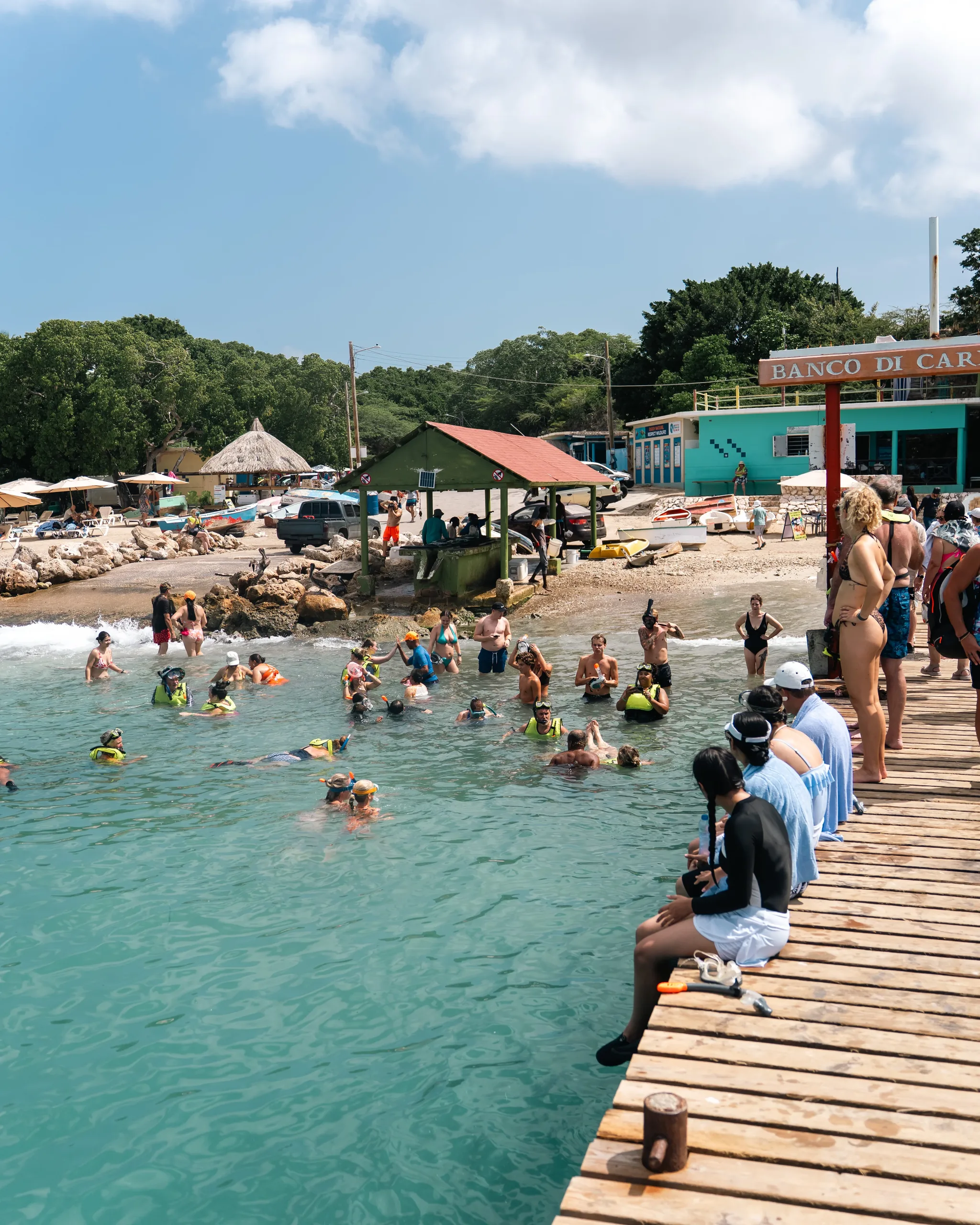
If you would rather have the logistics handled, the Top 3 Beaches & Sea Turtles tour strings the best snorkeling stops into one guided outing, including Playa Grandi, where fishermen cleaning their catch have made the bay a reliable turtle hangout. Never feed or chase the turtles, and remember wildlife is never guaranteed. Keep the evening soft. Salt and sore ears are cured by a hammock, not another activity.
Day 7: Caves, Blue Curaçao, and a Slow Goodbye
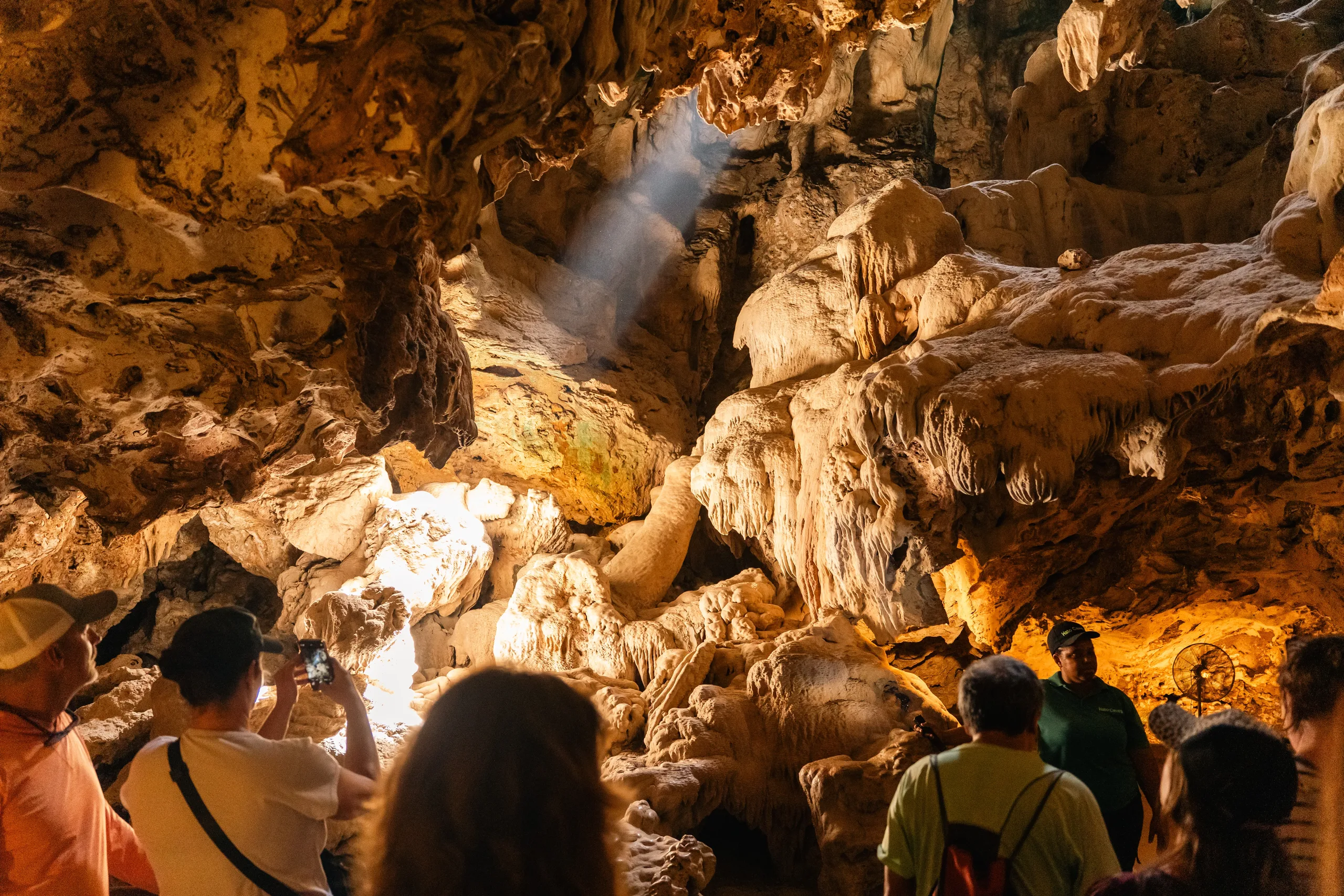
Save the close-to-town stops for the last day, when a late flight leaves a few free hours and no appetite for a long drive. The Hato Caves, just north of the airport, are a cool, easy walk through limestone chambers (stalactites, small bat colonies, old Arawak petroglyphs) and a good call if the morning is hot or wet. The Half-Day Hato Caves tour pairs the caves with a couple of nearby stops so you get more than just the caverns.
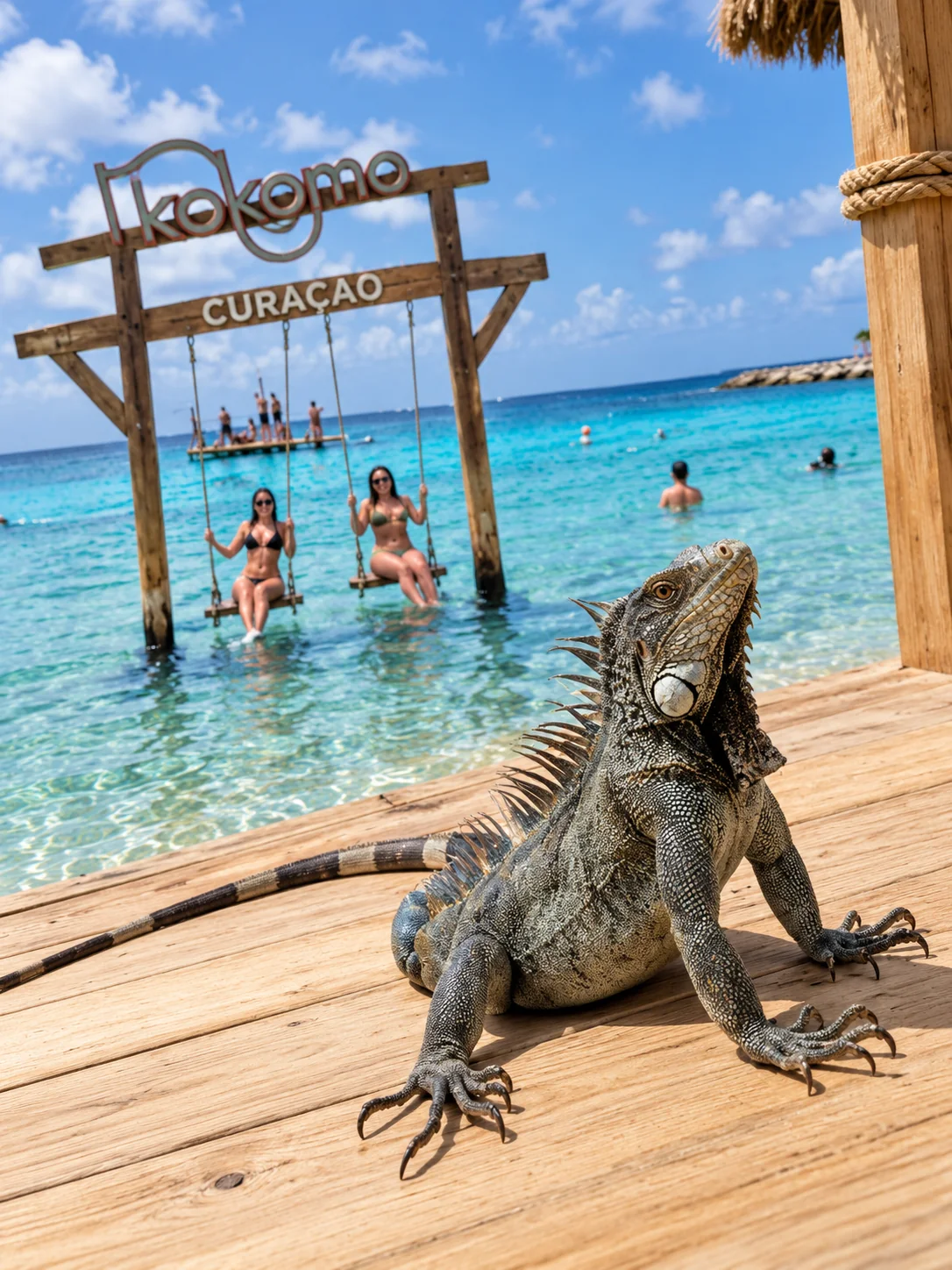
With whatever time is left, one last local flavor. Landhuis Chobolobo, the Willemstad distillery where the original Blue Curaçao liqueur is still made, runs short tastings that end in a bright blue sample. Then settle into a town-side beach (Mambo or Jan Thiel) close to the city and easy to leave when the airport calls. Want to swap a day for something else? Our things to do in Curaçao guide has the full menu.
Frequently asked questions
- How many days do you need in Curaçao?
- Seven days is the sweet spot. A full week lets you see Willemstad by day and night, spend a day on Klein Curaçao, hike Christoffel Park, tour the west-coast beaches, snorkel the reef, spot flamingos, and visit the Hato Caves without ever feeling rushed.
- What is the best 7-day itinerary for Curaçao?
- Ease in on day one with Willemstad by night, tour the city by day on day two, drive the wild west end and Christoffel Park on day three, hit the west-coast beaches and flamingos on day four, take the Klein Curaçao boat trip on day five, dedicate day six to snorkeling and turtles, and finish with the Hato Caves and a town-side beach on day seven.
- Do you need a rental car in Curaçao?
- For most of the week, yes. The best beaches and both national parks sit far from Willemstad with no public transport, so a rental car gives you the freedom to reach them. On guided-tour days and the Klein Curaçao boat day you can leave the car parked.
- When should I book the Klein Curaçao day trip?
- Book it early in your week rather than on your last day. The boat crossing can be canceled in rough weather, so keeping a spare day in reserve means you can rebook without missing out.
- Is one week in Curaçao enough to see the island?
- Yes. Curaçao is compact, so seven days covers the capital, the north-coast national parks, the top beaches, a Klein Curaçao trip, the island's best shore snorkeling, flamingo spotting, and the Hato Caves, with afternoons left free.
- What is the best time of day to do things in Curaçao?
- Build your days around the heat. Mornings are best for hiking and driving before the sun turns fierce, midday is for the water, and evenings belong to Willemstad, when the pastel Handelskade waterfront lights up over the bay.