Willemstad Walking Guide: Punda, Otrobanda & Handelskade
Self-guided Willemstad walking route: the swinging Queen Emma bridge, colorful Handelskade, Punda's fort and market, and Otrobanda's forts and murals.
Getting Oriented: Punda, Otrobanda, and the Bridge Between Them
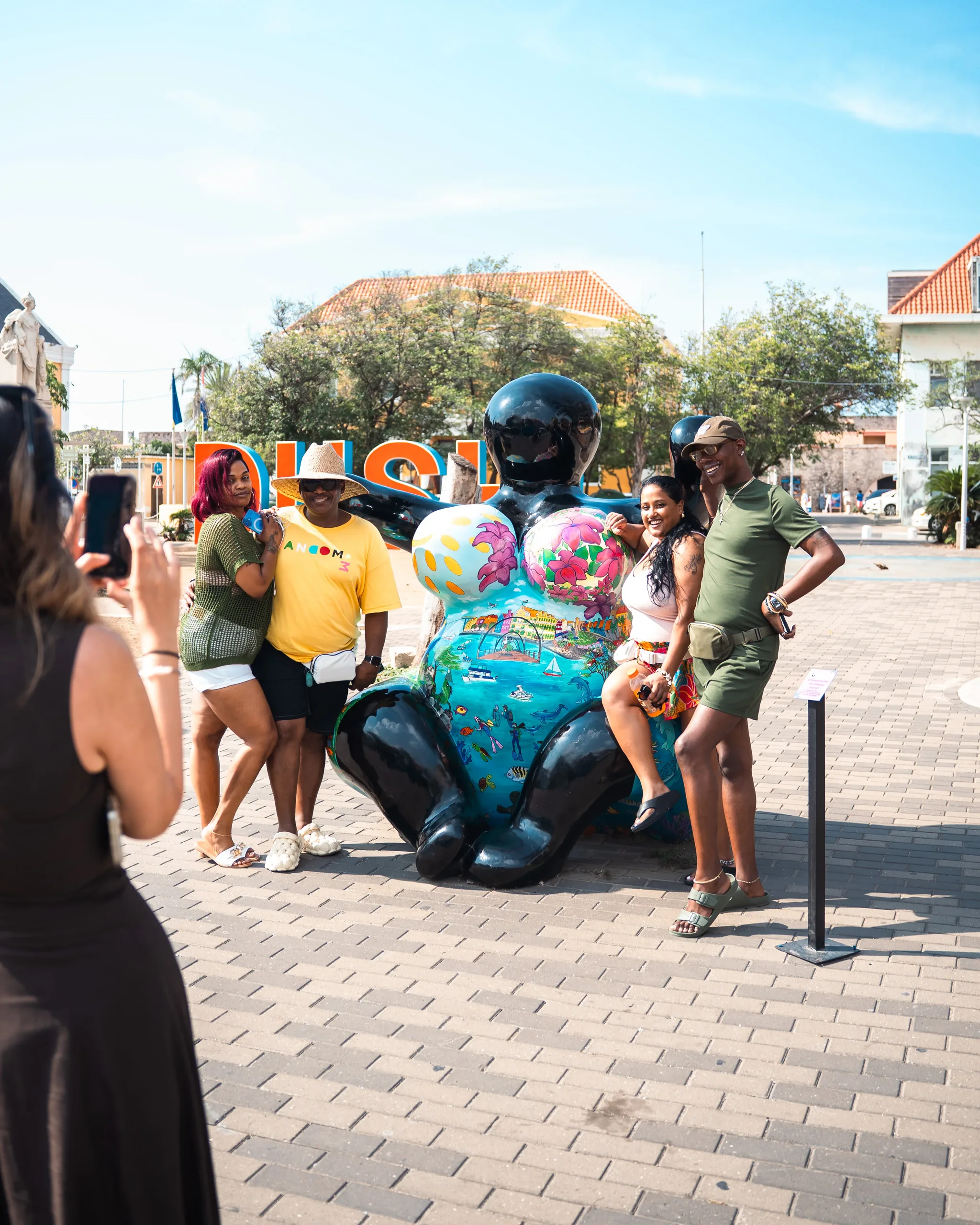
Willemstad's old town is two districts staring at each other across the mouth of Sint Anna Bay: Punda on the east side, with the old commercial streets and the fort, and Otrobanda (literally "the other side") to the west, quieter, with forts, murals, and back alleys. Together they form the UNESCO-listed historic center, and the loop below takes two to three unhurried hours on foot. For everything beyond the capital, see our complete guide to things to do in Curaçao.
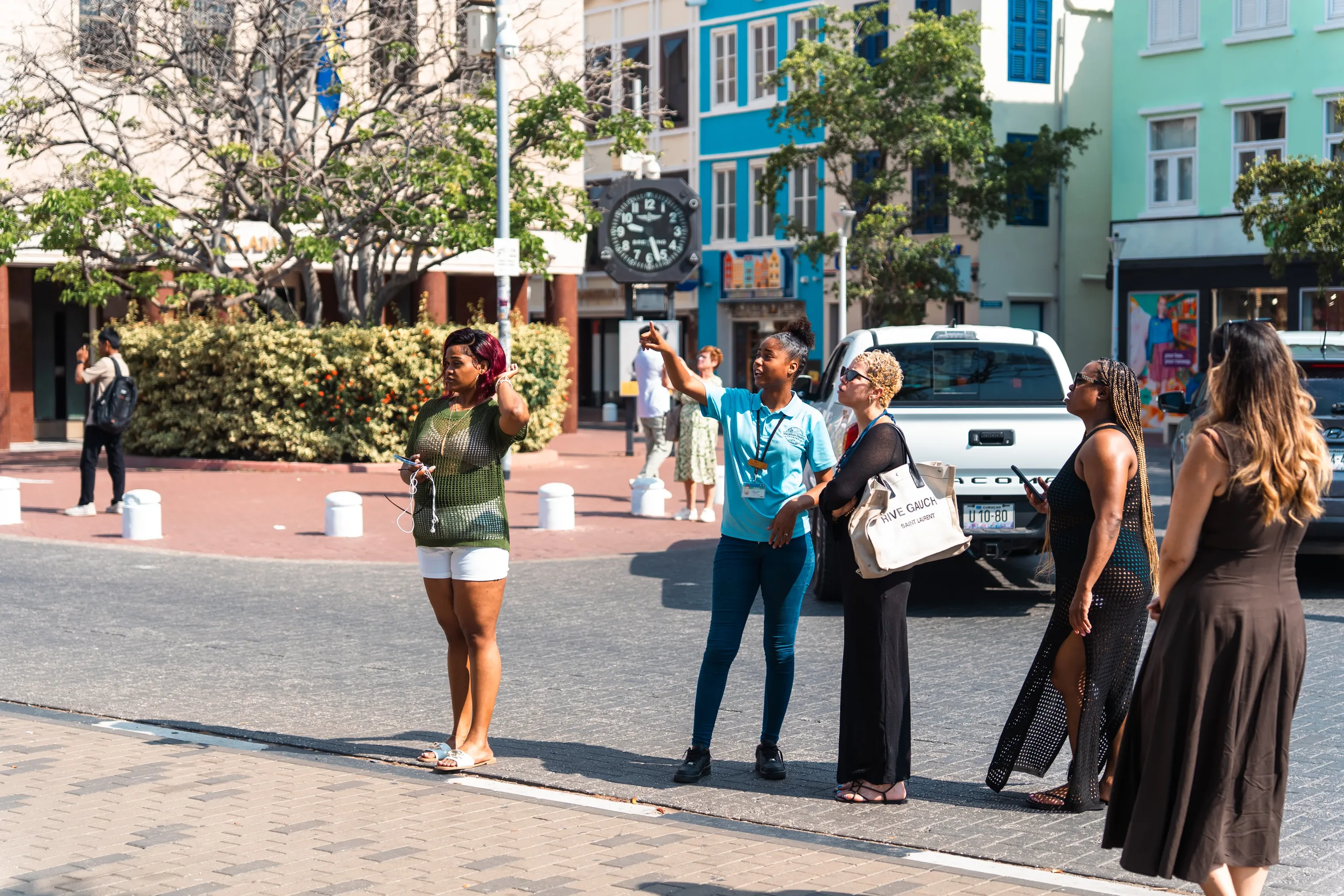
The route is flat except for a short climb onto the Rif Fort ramparts, though the old cobbles in Punda are uneven. Go early (8 to 11am) or come back for golden hour; between noon and 3pm the waterfront has almost no shade, so carry water. This is a self-guided route. If you would rather have the history told to you as you walk, our Heart of Willemstad cultural tour covers the same ground with a driver-guide.
| Stop (in walking order) | What to do there |
|---|---|
| Queen Emma pontoon bridge | Cross on foot, watch it swing open for ships if you get lucky |
| Handelskade | Photograph the pastel waterfront row, best at golden hour |
| Fort Amsterdam | Walk the fort walls, find the lodged cannonball in the church wall |
| Floating Market & Marshe Bieu | Browse the boats, eat a local lunch at the Old Market |
| Wilhelmina Square & Punda streets | Rest in the shade, wander Heerenstraat and Breedestraat |
| Otrobanda: Rif Fort | Climb the ramparts for a harbor view, pause for a drink |
| Kura Hulanda area | Wander the restored village, visit the museum for context |
| Otrobanda back streets | Follow the street art and murals through the alleys |
The Queen Emma Bridge: Willemstad's Swinging Old Lady
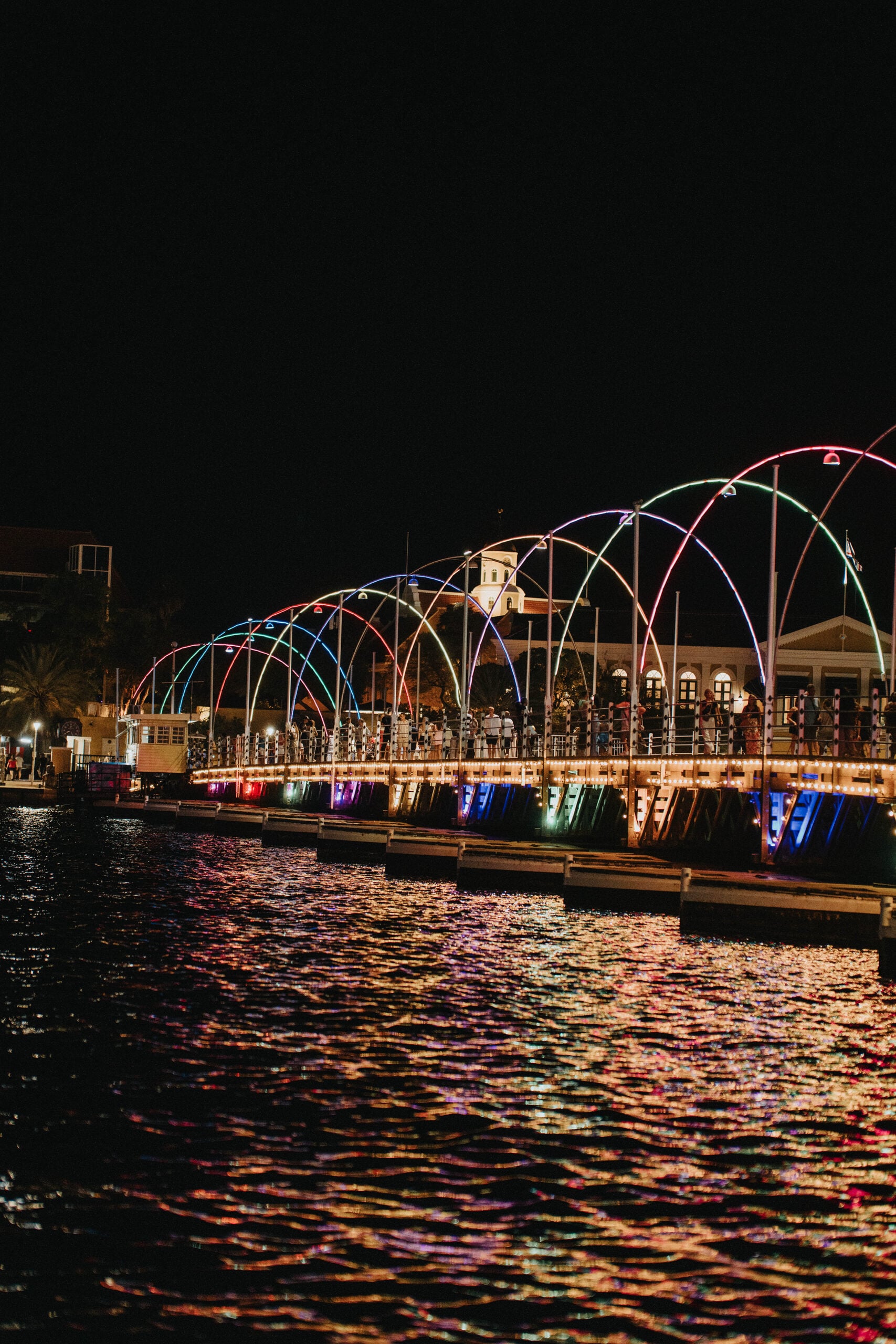
The Queen Emma is a pedestrian bridge that floats on a line of steel pontoons instead of fixed piers. When a ship needs to enter or leave Sint Anna Bay, small engines mounted under the deck swing the whole span open sideways, hinged at the Punda end. Locals call it the Swinging Old Lady, and a bridge has floated here in some form since the 1880s.
Openings follow ship traffic, not a timetable. A small free ferry shuttles pedestrians across while the bridge is open, so you are never stranded: treat an opening as entertainment, not a delay. Cross whenever it suits you.
The Handelskade: Curaçao's Postcard View
Step off the bridge into Punda and turn around. The Handelskade is the curved row of Dutch colonial merchant houses along the water: gabled rooflines in ochre, coral, mustard, and turquoise, and the most photographed sight on the island.
The colors are not original. The buildings were whitewashed until a 19th-century governor, Albert Kikkert, complained the glare gave him headaches and ordered the merchants to paint their facades. The less flattering version of the story adds that he had a stake in a paint-importing business at the time. Either way it stuck, and the painted row is now part of what the UNESCO listing protects.
The classic photo is from the Otrobanda side, looking back across the water with the bridge in the foreground. Late-afternoon light does the colors the most favors, and the row is lit at night for a different shot entirely.
Wandering Punda: Fort, Market, and the Old Market Lunch
A short walk inland is Fort Amsterdam, an 18th-century star fort that still houses the governor's residence and government offices. Walk the waterside ramparts, then look inside the small fort church for the cannonball reportedly lodged in the wall since a 19th-century bombardment.
Continue along the water to the Floating Market, where wooden boats from Venezuela tie up to sell fruit, vegetables, and fish off the deck. The market has shrunk as cross-border trade has been disrupted over the years (do not expect the dozens of boats from old postcards), but a handful still make the trip, and it is still a working market, not a re-enactment. Just behind it is Marshe Bieu, the Old Market: an open iron-roofed hall where family-run kitchens serve stewed goat, funchi, kadushi soup, and fried fish at long communal tables, mostly to locals on lunch break.
From the market, cut back into Punda's core to Wilhelmina Square, a small palm-shaded plaza that makes a good rest stop, then wander the pedestrianized Heerenstraat and Breedestraat, old Dutch facades now filled with jewelry shops, boutiques, and cafes. Worth a slow pass even if you buy nothing.
Crossing to Otrobanda: Forts, History, and Street Art
Cross back over the bridge and the mood shifts. Punda is polished and commercial; Otrobanda is quieter, rougher at the edges, and better for slow walking. Head first to Rif Fort, a 19th-century fortification that once mounted dozens of cannons over the bay's entrance and now holds shops, restaurants, and bars. Climb to the upper ramparts for the best panoramic view of the harbor and the Handelskade.
A few blocks on sits Kura Hulanda, a cluster of restored 18th and 19th-century buildings around cobbled courtyards, now a small hotel, galleries, and shops. Inside it, the Kura Hulanda Museum is a serious, moving collection on African heritage and the transatlantic slave trade, with Curaçao's role as a trading post at the center of the story. Check current hours before you go, and do not skip it.
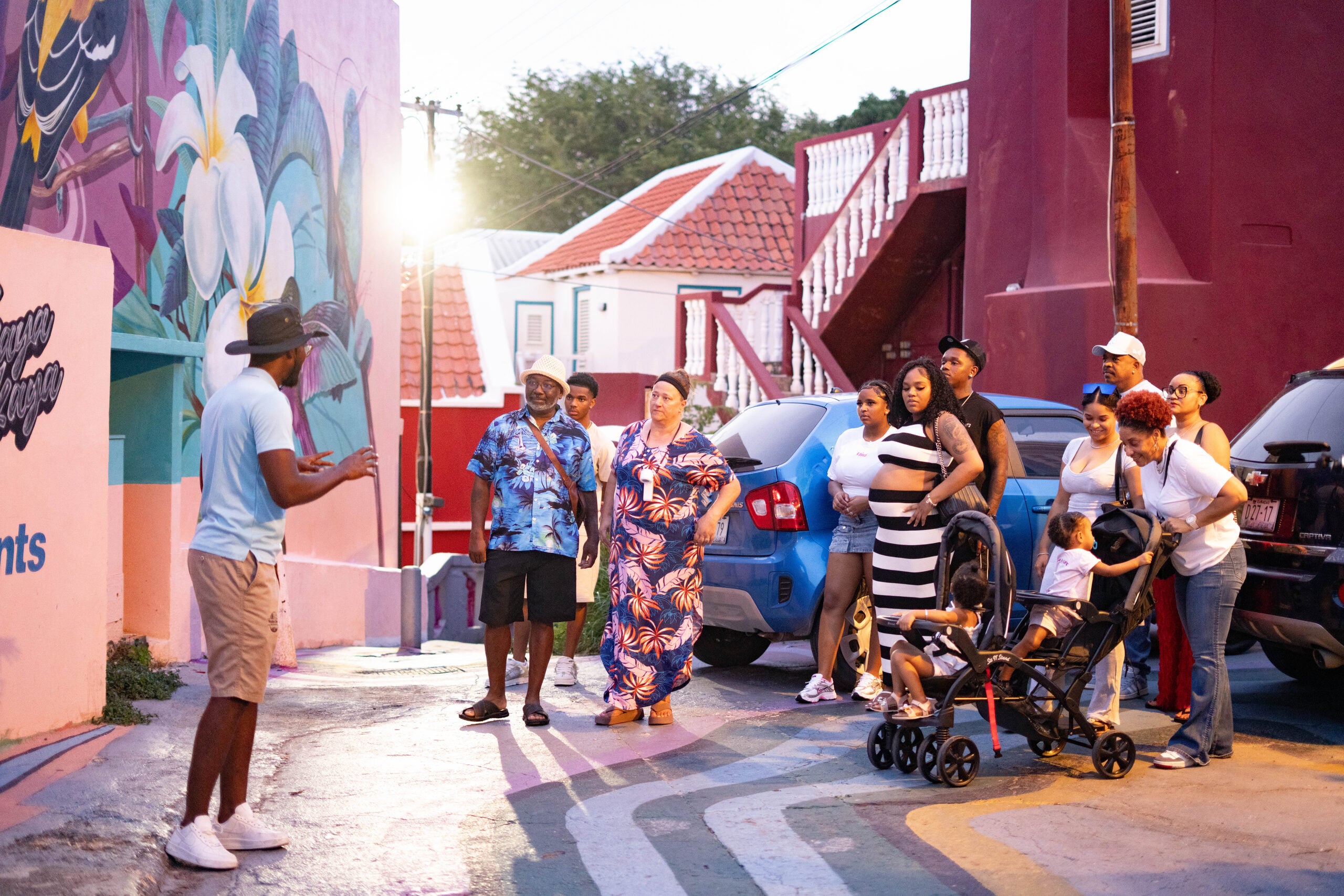
Then give yourself time to get slightly lost. Over the past decade Otrobanda's back streets have filled with murals by local and international artists: full facades, staircases, doorways, everything from portraits to abstract color fields. There is no fixed route through them. Drift toward Brionplein and let the art set the turns.
Practical Notes: Timing, Comfort, and Safety
The whole route is walkable and mostly flat, with good sidewalks through the main areas of both districts. Closed shoes beat sandals if you plan to climb the fort walls.
Sun, not distance, is the real challenge. The Handelskade and the market area have almost no shade, so sunscreen, a hat, and water are not optional at midday. If you are here on a cruise call with only a few hours, this walk is one of the most efficient uses of your time. Our one-day cruise itinerary guide shows how to fit it alongside a beach stop.
Both districts are safe for daytime walking along this route and stay busy with locals, shoppers, and other visitors. Watch bags and phones in the crowds at the market and on the bridge, and stick to well-lit, populated streets after dark. Otrobanda thins out once the shops close, so see it in daylight or early evening. Cruise days pack the Handelskade and Punda's shopping streets from mid-morning to mid-afternoon; start early or come back for sunset photos and you get a calmer version of the same walk.
Frequently asked questions
- Is Willemstad walkable?
- Yes. The historic center is compact and mostly flat, and the route through Punda and Otrobanda described here takes about two to three hours on foot, aside from a short climb onto Rif Fort's ramparts and a few uneven cobbled patches in older Punda.
- How long does the Willemstad walking route take?
- Budget two to three unhurried hours for the full loop across both districts, longer if you stop for lunch at Marshe Bieu or spend real time inside the Kura Hulanda Museum.
- When does the Queen Emma pontoon bridge open for ships?
- The bridge swings open whenever a ship needs to pass, not on a fixed schedule, so check current conditions when you visit. A free pedestrian ferry typically shuttles foot traffic across while it is open.
- Why are the Handelskade houses painted such bright colors?
- The waterfront buildings were originally whitewashed. Local legend says a 19th-century governor, Albert Kikkert, blamed the glare off the white walls for his headaches and ordered merchants to paint their facades instead, and the colorful look stuck.
- Should I visit Punda or Otrobanda first?
- Either works, but starting in Punda lets you see the Handelskade and Fort Amsterdam in the cooler morning light before crossing the bridge into Otrobanda for Rif Fort and Kura Hulanda in the afternoon.
- Do I need a guide to walk around Willemstad?
- No, the old town is easy to navigate on your own with a route like this one. A local guide adds the history and stories behind specific buildings that a self-guided walk cannot, which is what a tour like our Heart of Willemstad cultural tour is built for.
- Is it safe to walk around Willemstad, including at night?
- Daytime walking through the main tourist areas of Punda and Otrobanda described in this route is generally safe and busy with locals and visitors. Keep an eye on bags in crowded spots, and stick to well-lit, populated streets in the evening since Otrobanda quiets down once shops close.
- Where can I eat local food on this walking route?
- Marshe Bieu, the Old Market just behind the Floating Market in Punda, is the best stop for authentic Curaçaoan home cooking like stewed goat, funchi, and kadushi soup at shared communal tables.