One Day in Curaçao: A Cruise Passenger's Guide
Plan a Curaçao cruise day right: what's walking distance from Willemstad's port, three itineraries by energy level, and how to protect your all-aboard time.
Welcome to Willemstad: Where Your Ship Puts You
Cruise ships dock in Willemstad itself, which makes Curaçao an unusually easy port day: no hour-long transfer before you see anything. Ships tie up at one of two spots, both on the Otrobanda side of St. Anna Bay. The Mega Pier takes the larger ships that can't clear the Queen Juliana Bridge and leaves you a 15-to-20-minute walk from the historic center. Mathey Wharf, closer to the bridge, takes smaller ships and puts you about five minutes from Otrobanda's colonial streets. Either way, you are sightseeing from the gangway.
What's Walkable From the Dock
The best-known sights sit within an easy walk of either pier, and this part of the day needs no booking at all.
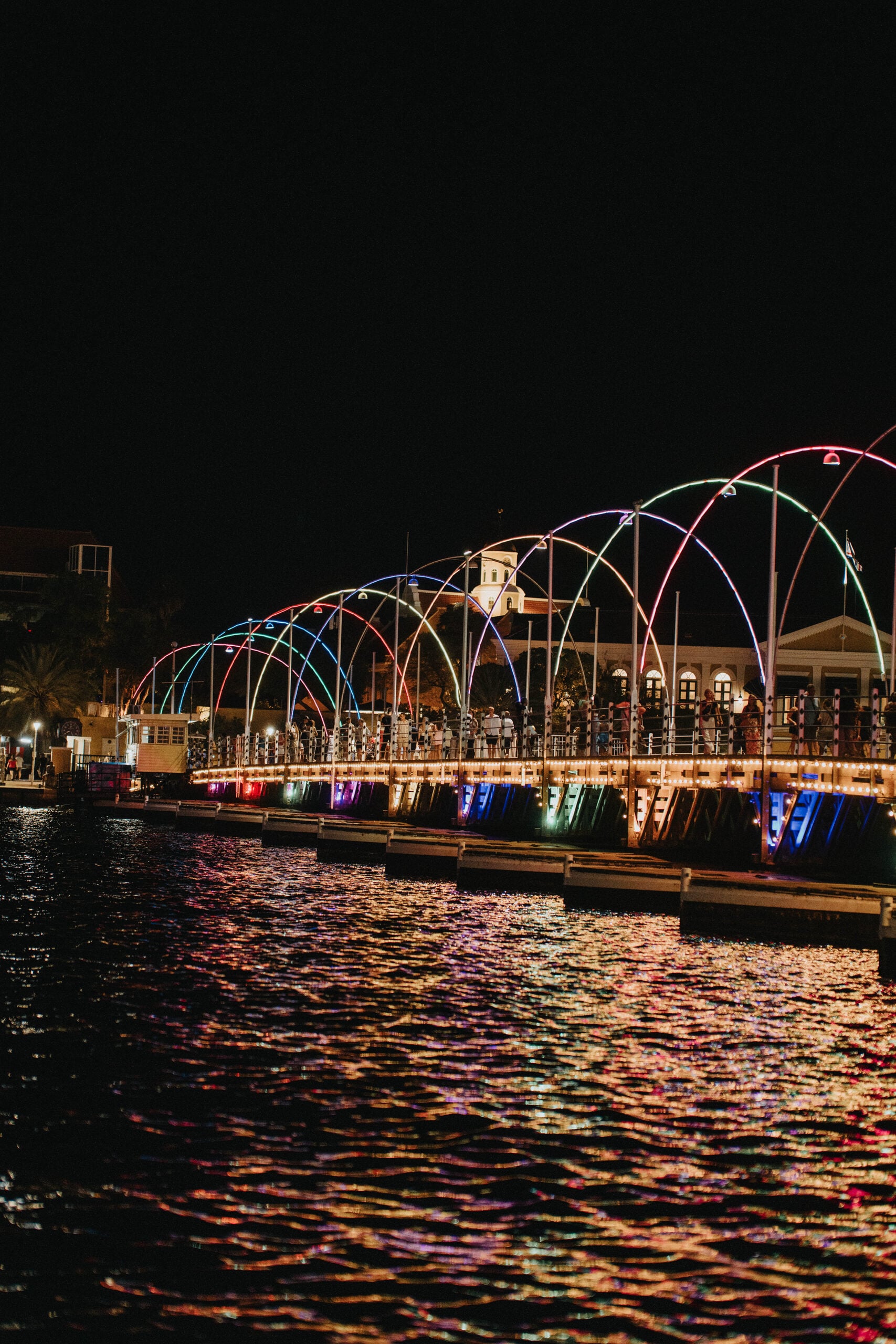
The Queen Emma pontoon bridge connects Otrobanda to Punda across St. Anna Bay. It floats on pontoons and swings open sideways to let ships through, so you might catch it swinging aside mid-crossing. Locals call it the Swinging Old Lady. Free, about five minutes on foot.
On the Punda side, Handelskade is the pastel waterfront row from every Curaçao postcard, part of the UNESCO-listed old town. Behind it, Punda's pedestrian streets hold boutiques, cafes, and the Fort Church. You can cover them in under an hour. Along the water, the floating market is a working market where Venezuelan vendors sell fruit and fish straight off their boats; come in the morning if you want it lively. Fort Amsterdam is a quick, free stop: government offices and a small church with its original 18th-century stonework. Five minutes is enough.
Do not skip Otrobanda, the side you docked on. Restored streets, murals, and a more local feel than Punda. A relaxed loop over the bridge and through all of the above takes two to three hours, which leaves most of a full port day open for something else.
How Much You Can Realistically Fit In
There is no standard all-aboard time. Some ships give you eight or nine hours in port, others six, and the cutoff varies by ship, line, and itinerary. Check yours before you plan anything, and treat it as fixed. It is not a number to shave close to.
Think of the day in three blocks: one city block on foot (an hour or two), one bigger block (a tour or a beach), and a buffer block you build in on purpose. The mistake cruise passengers make is not picking the wrong activity. It is stacking activities with no slack between them. Port-area traffic or one slow taxi can eat your margin fast on a busy cruise day.
The three plans below fit different port lengths. Pick the one that matches what your ship gives you, and spend any extra time as buffer, not another stop.
Three Plans for Your Day in Port
Plan 1: The Self-Guided Willemstad Walk
If your port time is short, or you want zero logistics, walk Willemstad yourself. No transport, no booking, and you head back whenever you decide: there is no return ride that can run late.
The route: cross the Queen Emma bridge into Punda, walk Handelskade, browse the floating market, pop into Fort Amsterdam, wander Punda's shopping streets, then loop back through a slice of Otrobanda to the pier. Budget two to three hours; longer if you stop for shopping or a drink. Our Willemstad walking guide has the route turn by turn.
Plan 2: A Half-Day Tour That Gets You Back on Time
With a full port day, a half-day tour shows you more of the island. The operator matters more than the itinerary here. Ask one question before you book: does the tour guarantee a return with real buffer before all-aboard, or is it "best effort"? If the answer is vague, keep looking.
If you would rather have someone walk you through the old town's history than piece it together from plaques, our Heart of Willemstad tour covers the same landmarks with the backstories. For something beyond the old town, the Half-Day Hato Caves tour runs to the island's limestone caves on a fixed schedule with time to spare before departure. More options built around ship timing are on our cruise excursions page.
Plan 3: A Nearby Beach for the Rest of Your Day
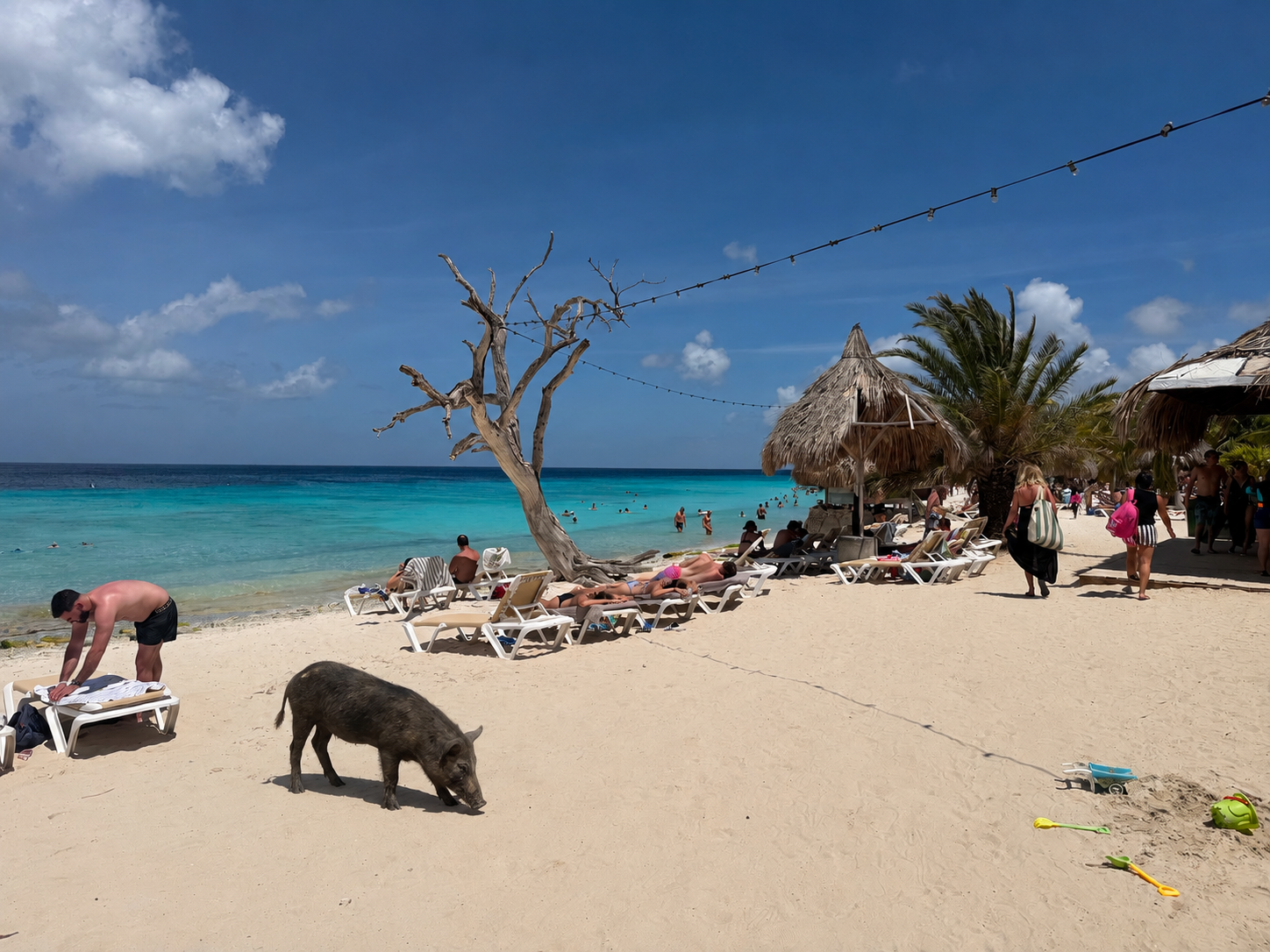
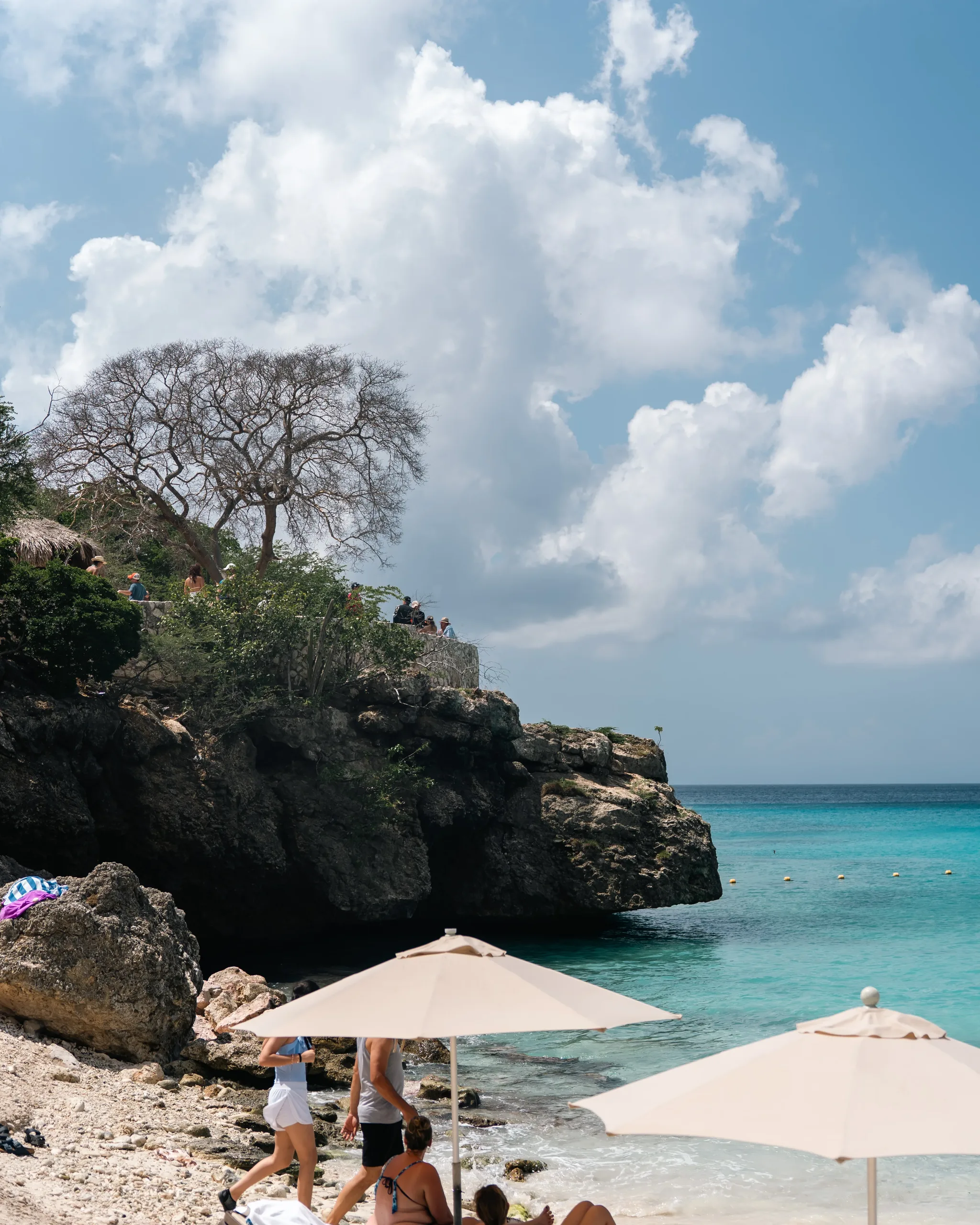
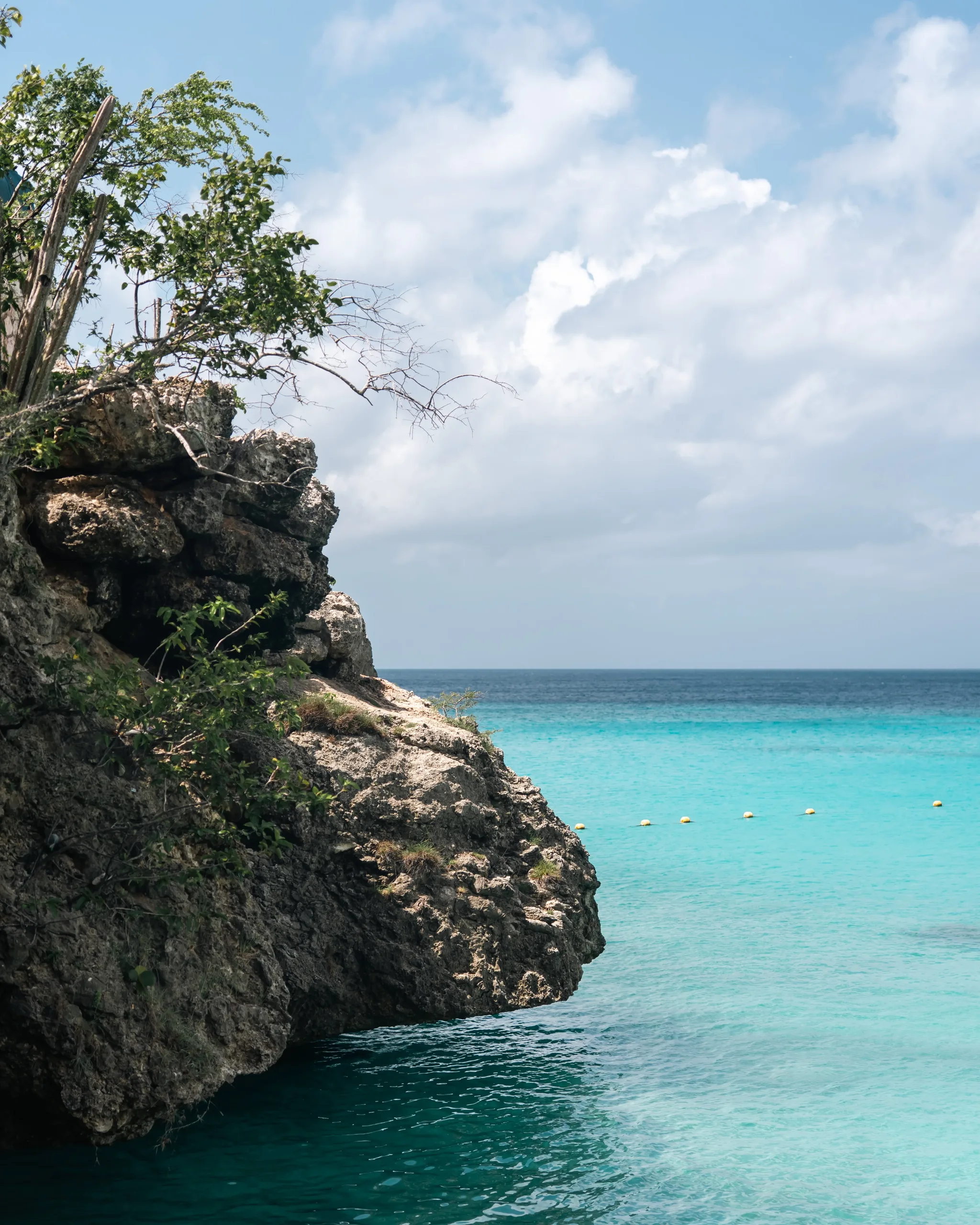
Several beaches sit close enough to Willemstad to fit a cruise day without spending your whole afternoon in transit, a good pairing if you did a short city walk in the morning and want the afternoon in the water.
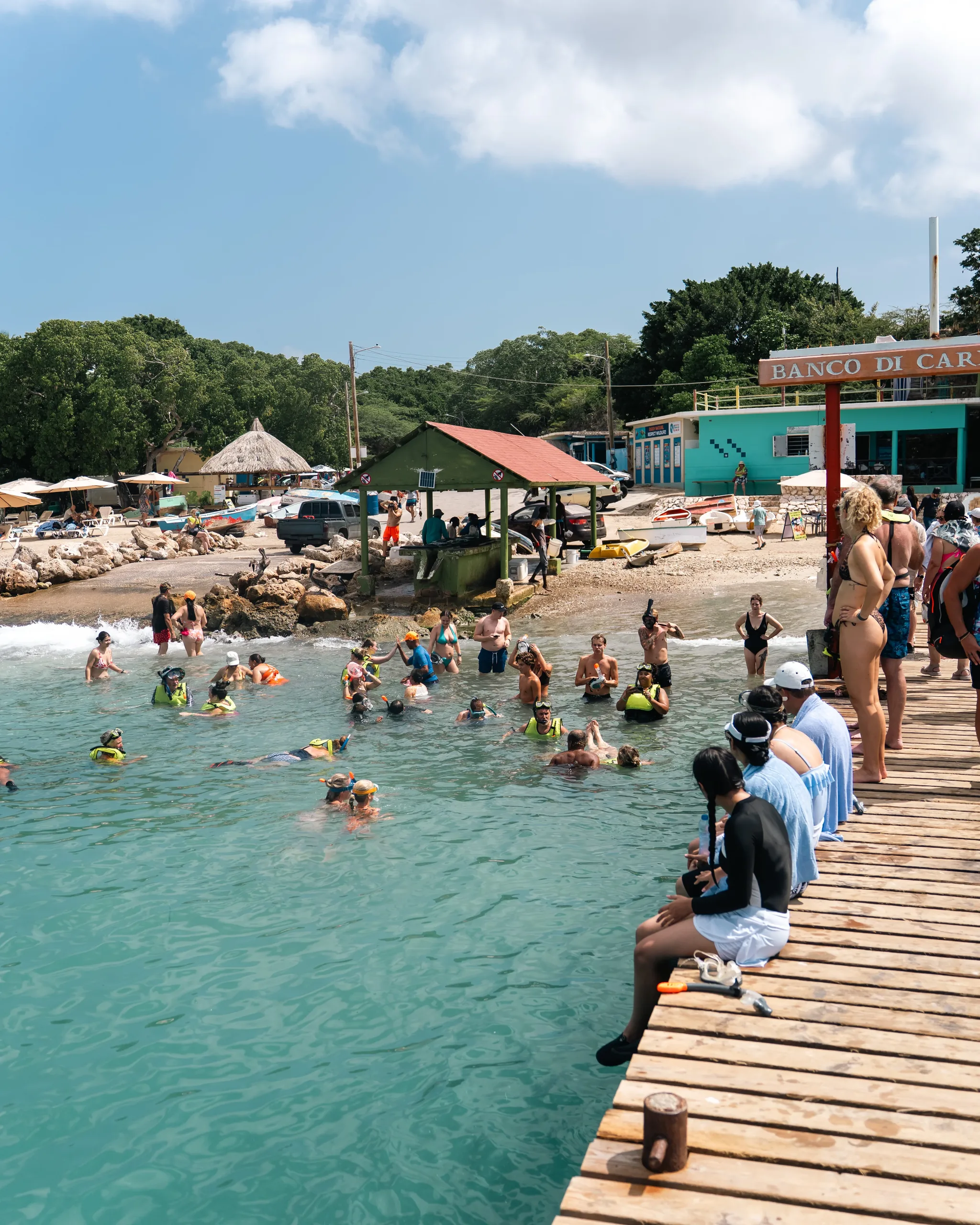
Our Top 3 Beaches & Sea Turtles tour visits several beach spots with snorkeling gear included, on a set schedule, so nobody is watching the clock from a beach chair. Turtle sightings are reasonably common along the route but never guaranteed: they are wild animals, not props.
Going on your own works too. Just set an alarm for your turnaround time before you lay your towel down. Beach time runs long. It always runs long.
Protecting Your Return: The Part That Actually Matters
Every port guide tells you to be back on time. The useful version: build the buffer into the plan instead of hoping the day goes smoothly.
Check your ship's all-aboard time as soon as you have it, and write it somewhere you will see it. Cruise lines typically set all-aboard 30 to 60 minutes before actual departure, but the window varies by ship. Confirm it, don't assume it.
Work backward from that time, not forward from the gangway. Decide when you need to be at the pier, subtract travel time, then subtract another chunk for the unexpected. A tour that returns you "around" a certain time with no stated buffer is a gamble, and the ship does not wait to see how it pays out.
Book operators who build cruise timing into the itinerary, not ones who treat it as an afterthought. Ask before you pay.
If you stay on foot, the math is easy: the pier is never more than a 20-minute walk from anywhere in the old town, which is why the self-guided plan is the low-risk pick on a short port day.
Short day: walk the old town and cross the bridge, and you will climb the gangway having had a full day. Full day: add one tour or one beach (one, not both), booked with someone who treats your all-aboard as a deadline. And if this stop talks you into coming back for a week, our things to do in Curaçao guide covers the rest of the island.
Frequently asked questions
- What can you do in Curaçao on a cruise stop?
- Cruise ships dock right at Willemstad, so you can walk the old town straight from the pier: the Queen Emma pontoon bridge, the colorful Handelskade waterfront, Punda's shopping streets, the floating market, and Fort Amsterdam. With more time, a half-day tour or a nearby beach both fit comfortably into a typical port day.
- Where do cruise ships dock in Curaçao?
- Ships dock at Willemstad on the Otrobanda side of St. Anna Bay, at either the Mega Pier or Mathey Wharf. The Mega Pier handles larger ships and is about a 15 to 20 minute walk from the historic center. Mathey Wharf takes smaller ships and sits about five minutes from Otrobanda's colonial streets.
- Is Willemstad walkable from the cruise port?
- Yes. From either pier, the Queen Emma pontoon bridge, Handelskade, Punda, the floating market, and Fort Amsterdam are all within an easy walk, no taxi or shuttle needed. A relaxed loop through the main sights takes about two to three hours.
- How much time do you have in port in Curaçao?
- It depends entirely on your ship, itinerary, and cruise line, so there is no fixed number. Check your ship's documentation or daily program for the exact all-aboard time as soon as you have it, and plan your day backward from that time rather than guessing.
- Can you do a tour and still make it back to the ship on time?
- Yes, if you choose an operator that builds cruise timing into the itinerary and guarantees a return with real buffer before your ship's all-aboard time. Ask directly about the guaranteed return time before booking, rather than assuming a standard half-day tour will work.
- Are there beaches near the Curaçao cruise port?
- Several of Curaçao's beaches sit close enough to Willemstad to fit into a cruise day without long transit times. A guided beach and snorkel tour on a set schedule is an easy way to fit swimming into the afternoon while keeping your return time predictable.
- How far in advance should you be back at the ship?
- Build in a real buffer rather than aiming to arrive right at all-aboard. Work backward from your ship's all-aboard time, subtract your travel time back to the pier, then subtract extra time for the unexpected, such as traffic or a slower-than-expected taxi.